May 18: Big Orange
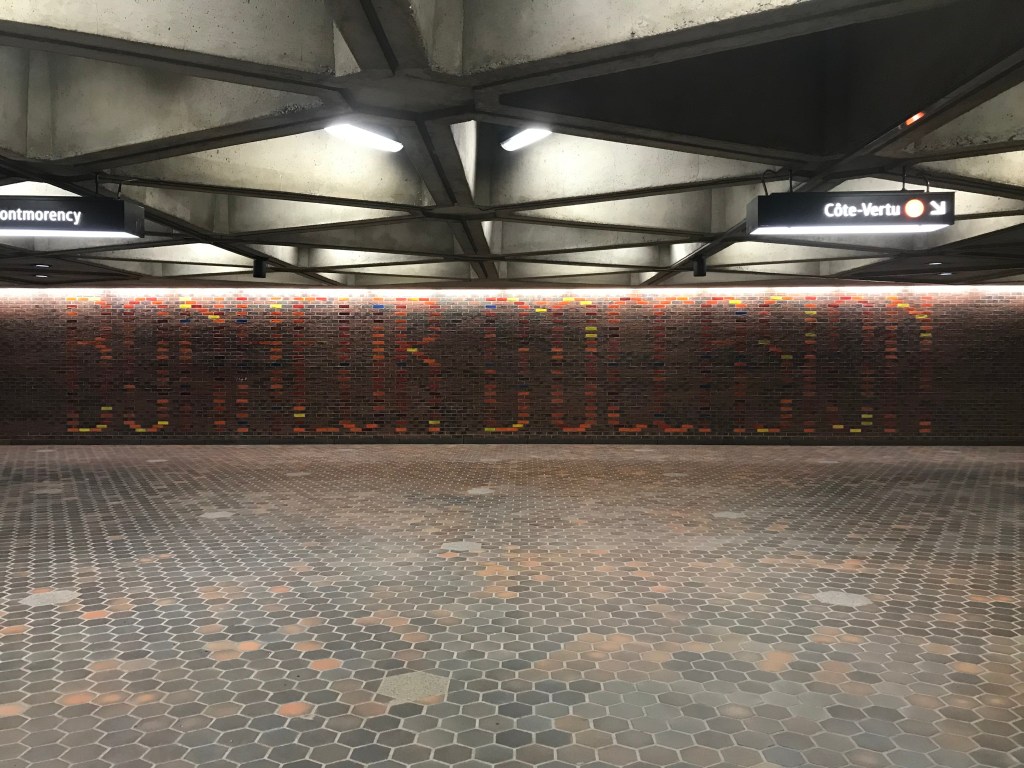
National Patriots Day started off raining, and the streets were correspondingly empty. I pulled out my ski jacket and set off, via the Orange Line, to the suburb of Namur.
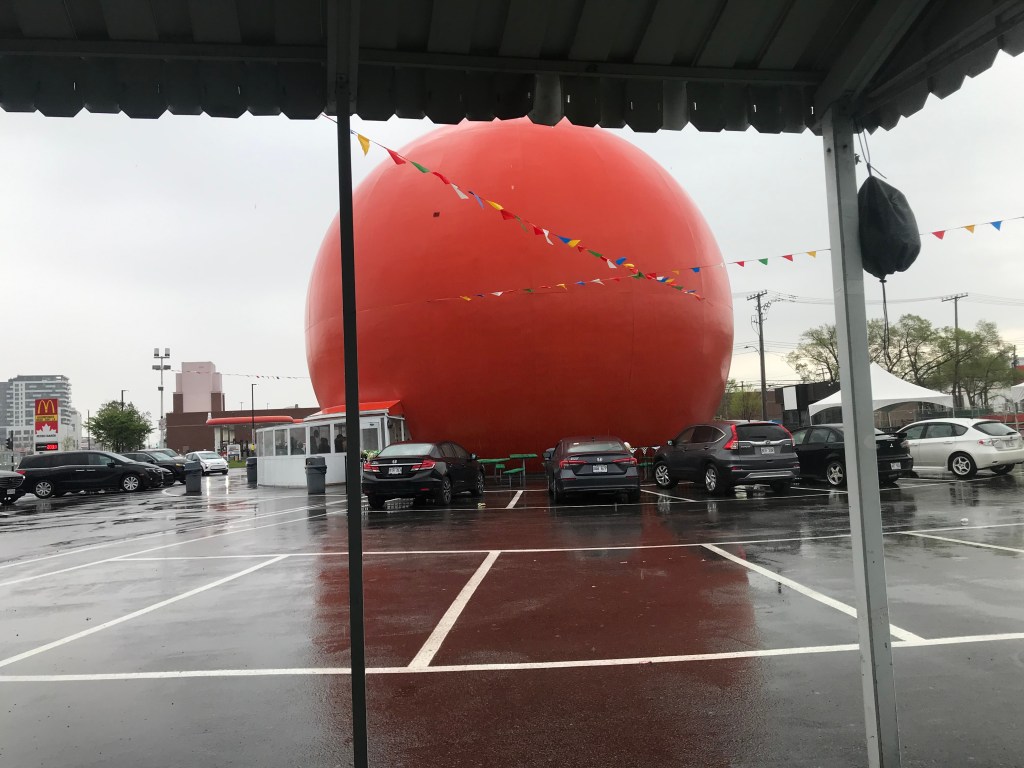
Stepping out of the subway, I immediately saw, a vision in the rain, Gibeau Orange Julep.
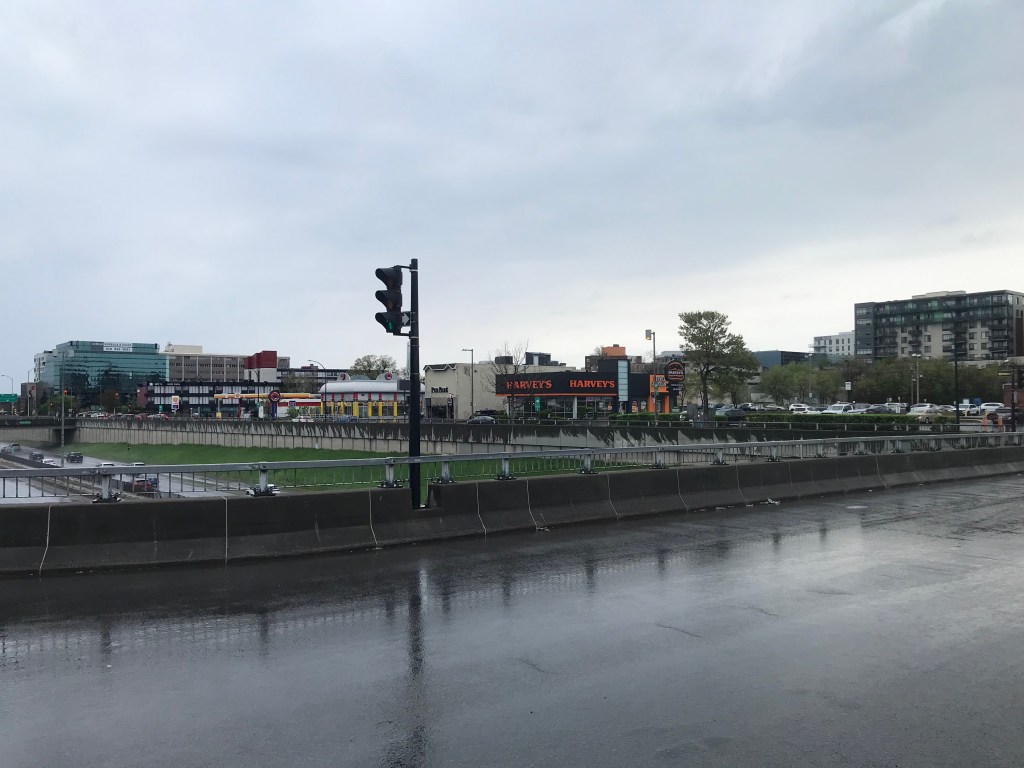
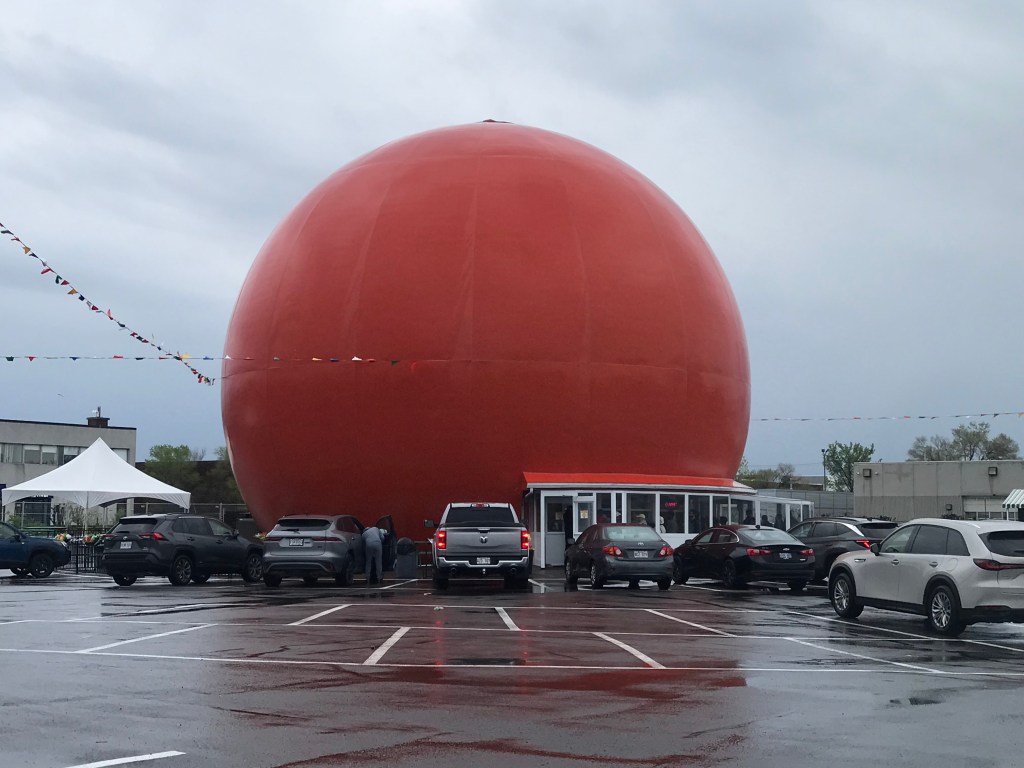
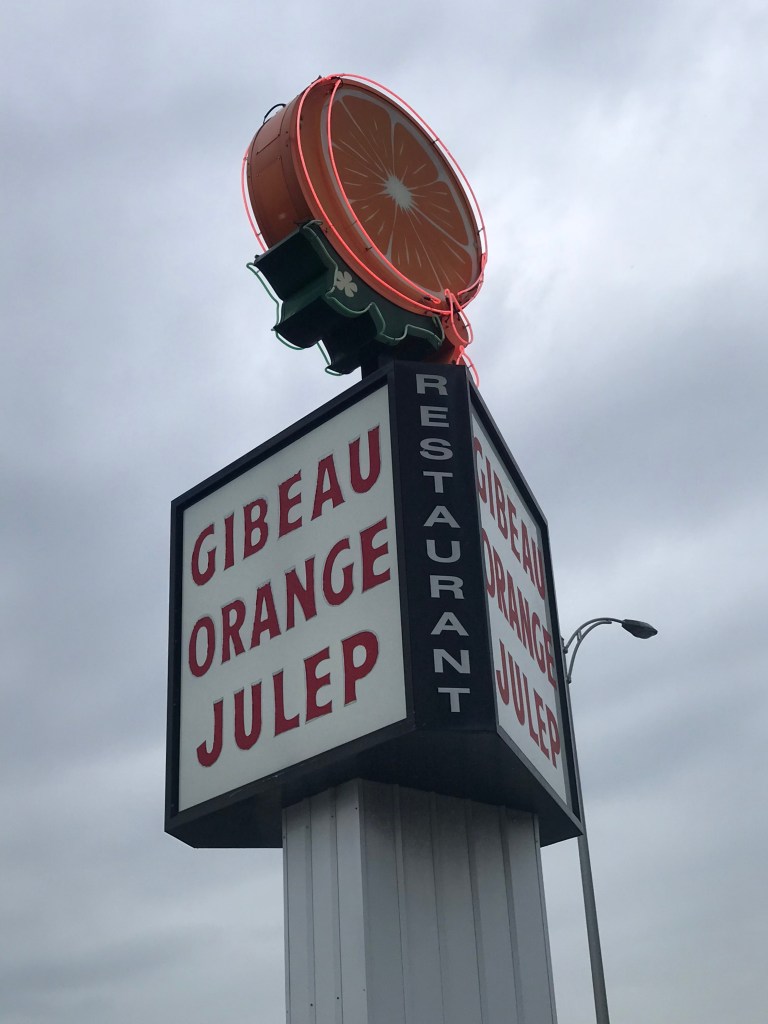
Gibeau Orange Julep is a fast-food café in the shape of, well, a giant orange. It’s been selling takeaway since the 1960s and is an iconic landmark. Naturally, after getting a few photos, I had to order something there. At the door, there was already a queue, half locals, half tourists like myself. I ordered a vege burger and a medium cup of their orange julep. (You can order by the bottle, too.)
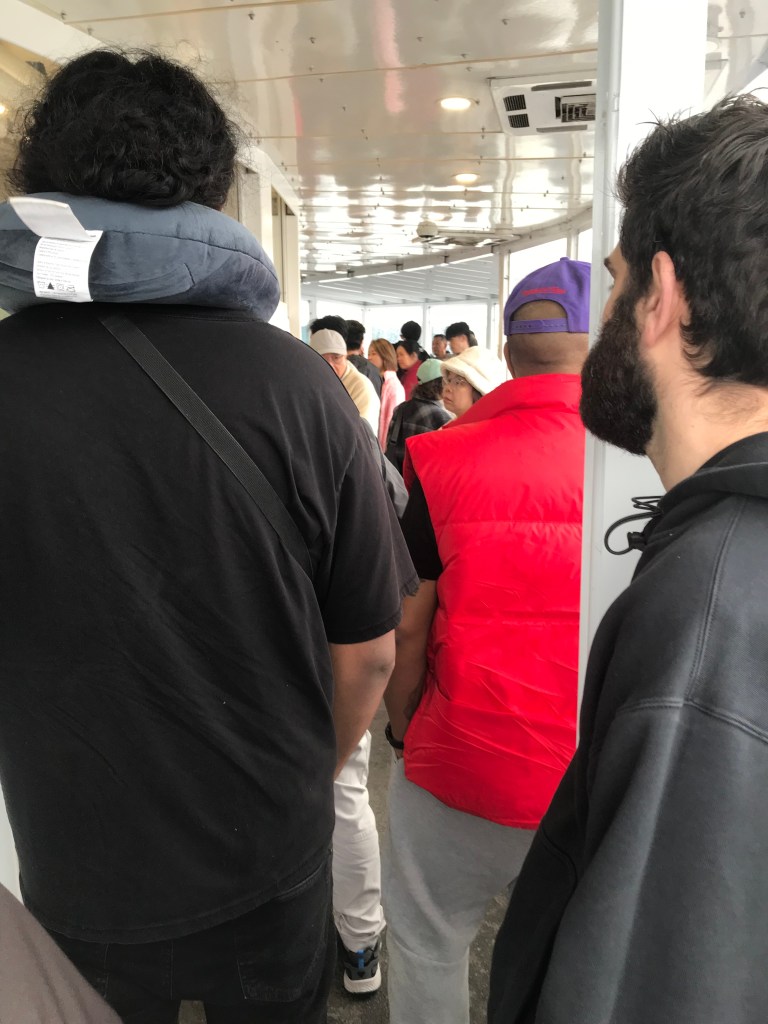
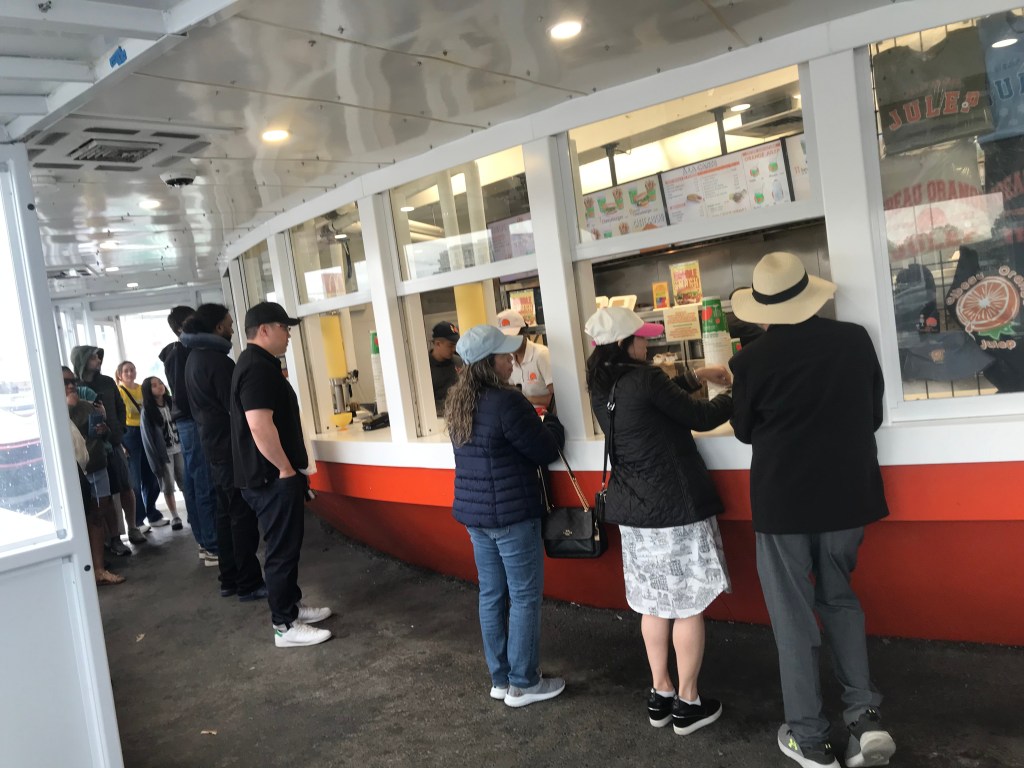
Once I got my burger, I sat in a covered area outside and looked at the improbable giant orange in the rain.
Berliner Wall
After hanging around the local shopping area for a bit, the rain had cleared and I got back on the subway, going back a few stations to Place St-Henri.
My intended destination was Musée des Ondes Emile Berliner. Emile Berliner invented the flat gramophone record in the 1890s, and the museum is dedicated to him and the development of sound recording. After walking a few blocks, I found the street but no sign of the museum. A quick check online revealed: “The museum has closed its doors to visitors in summer 2025 with no reopening date.” Oh.
A little disappointed, I had a look around the area. Although I couldn’t visit Berliner’s museum, I could at least visit his park.
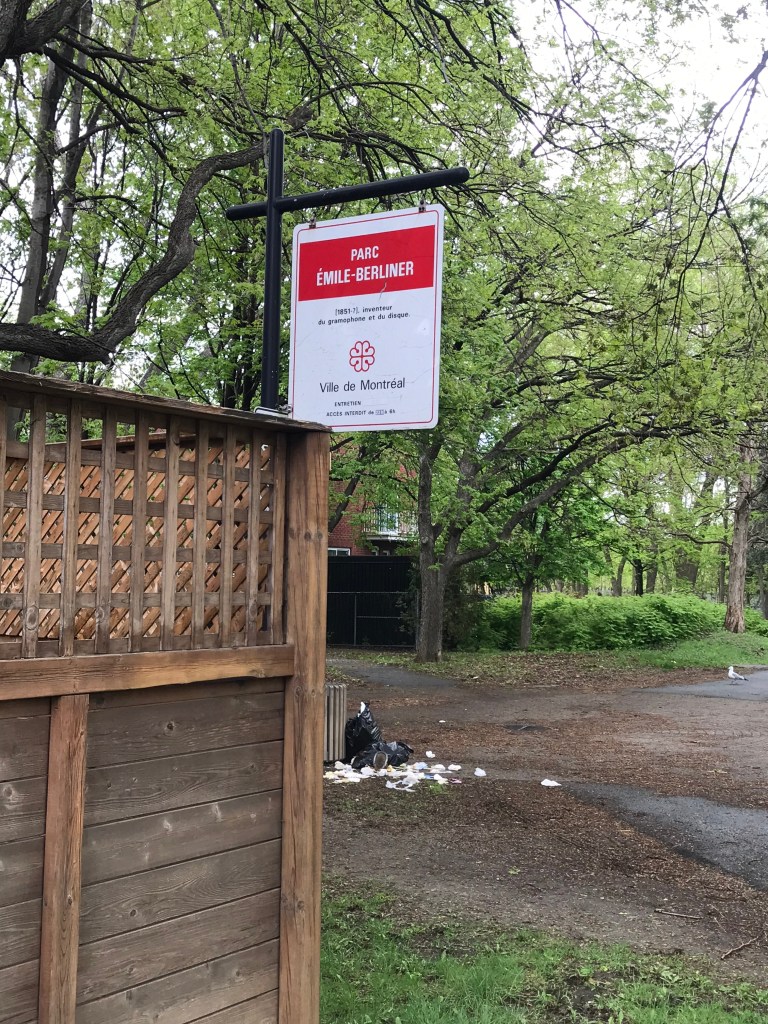
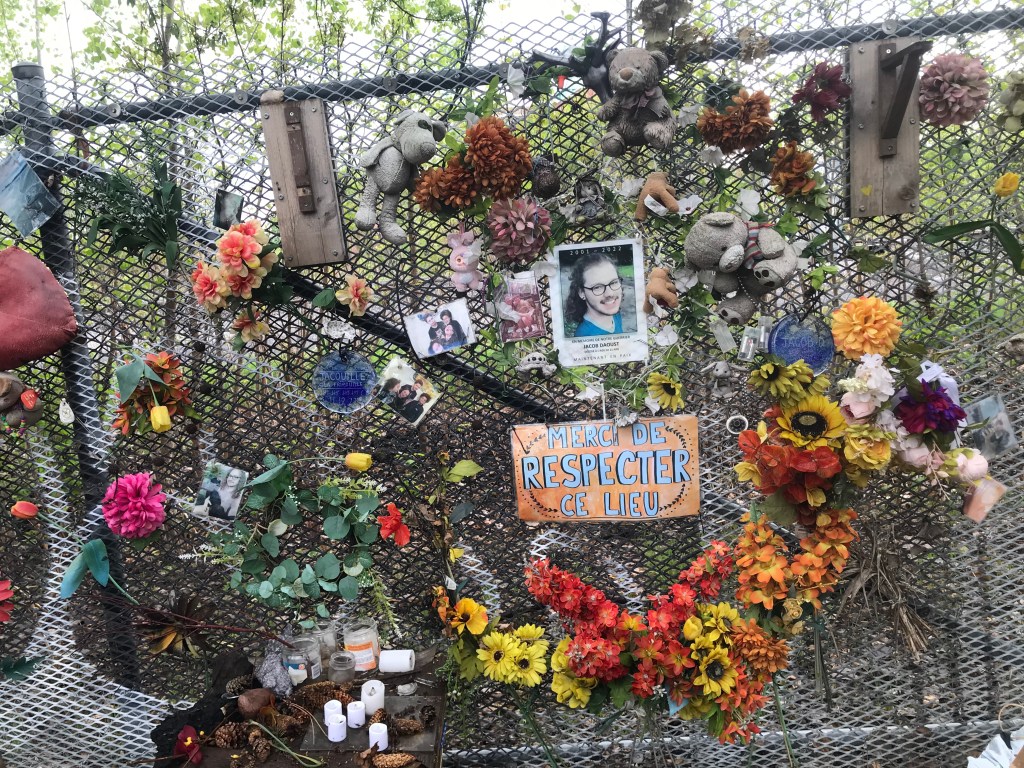
The park was small and nothing special, but there a memorial there to someone who had died young.
Most of the shops in the local area were closed for the holiday, but a few cafés were open, plus an English-language bookshop I browsed through.
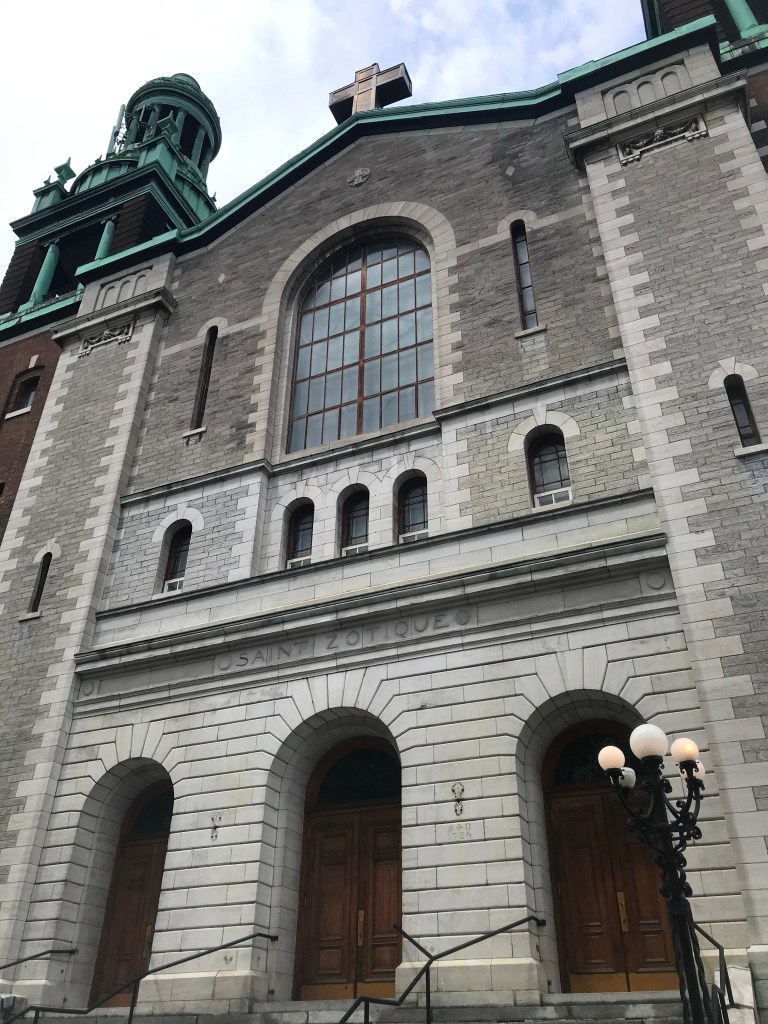
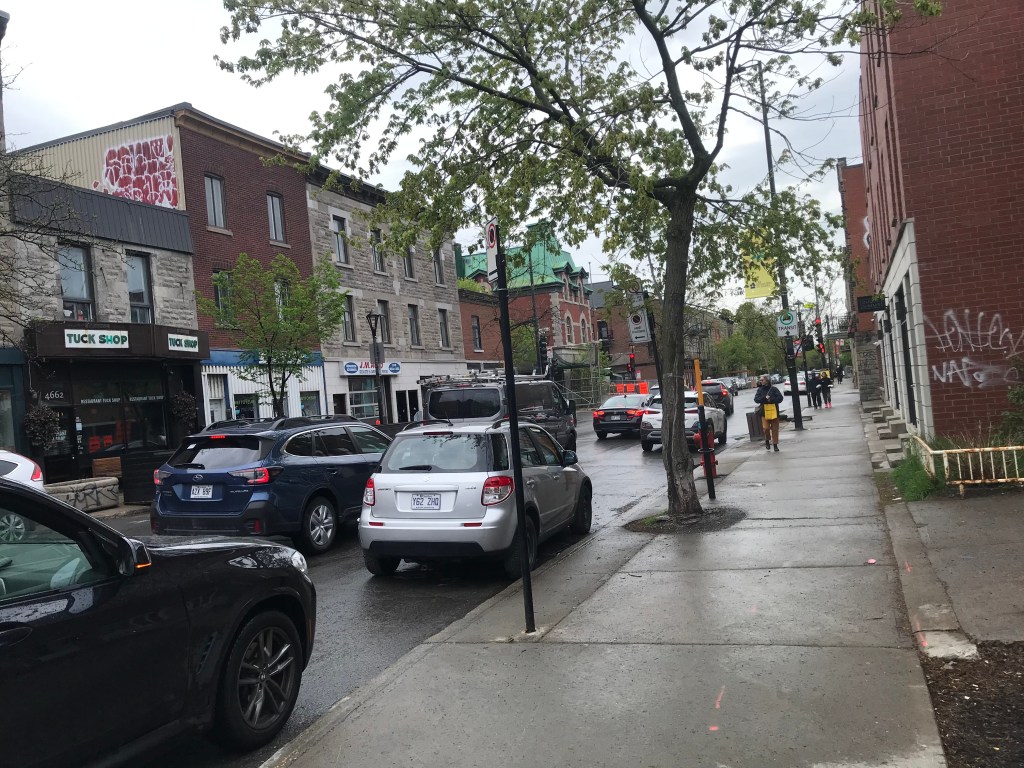
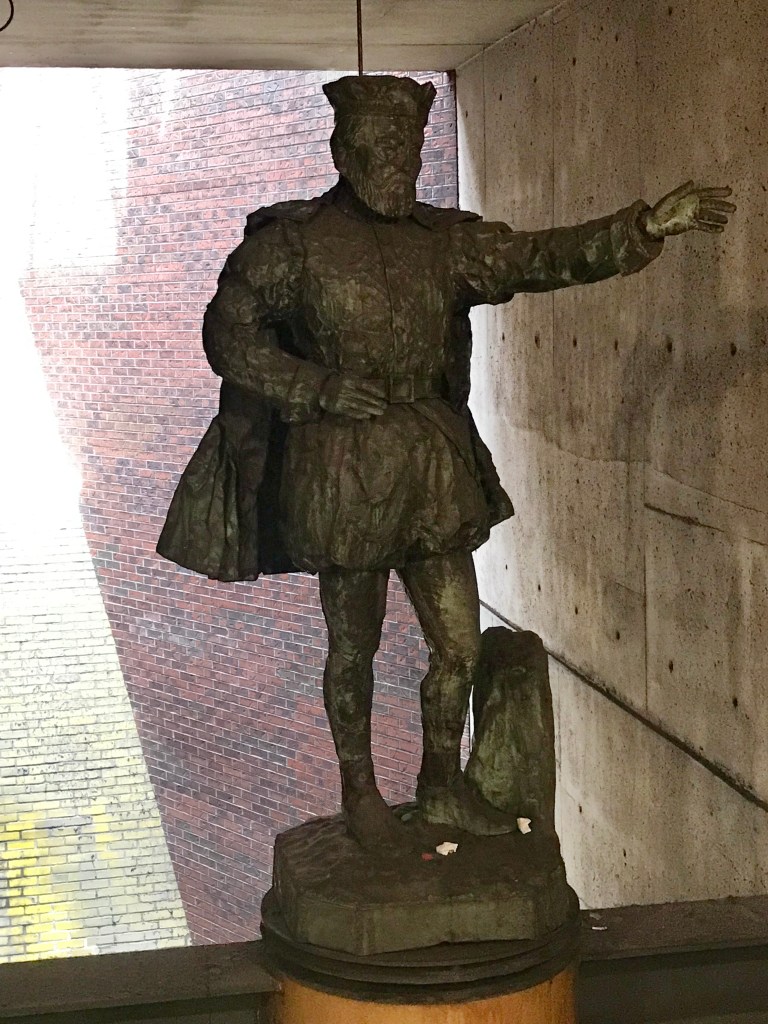
Art Intensive
Back on the subway, I transferred to the Green Line and travelled a few stations to Sherbrooke Street. Around here is another suburban university, Concordia, with faculty buildings interspersed between commercial buildings and shops.
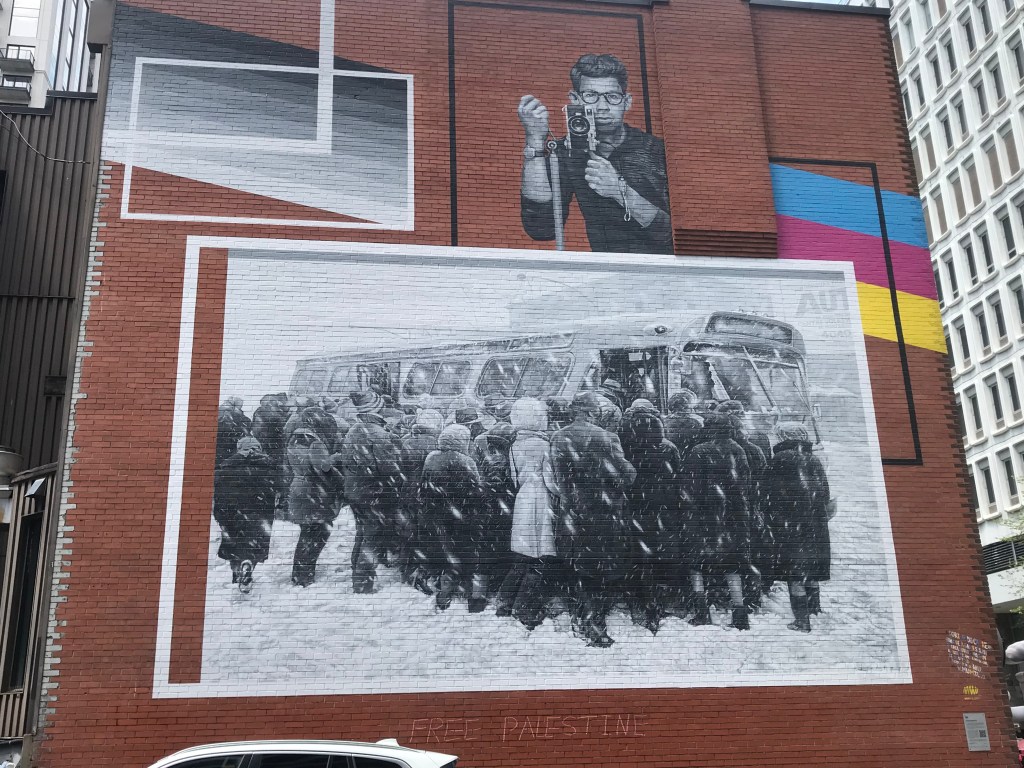
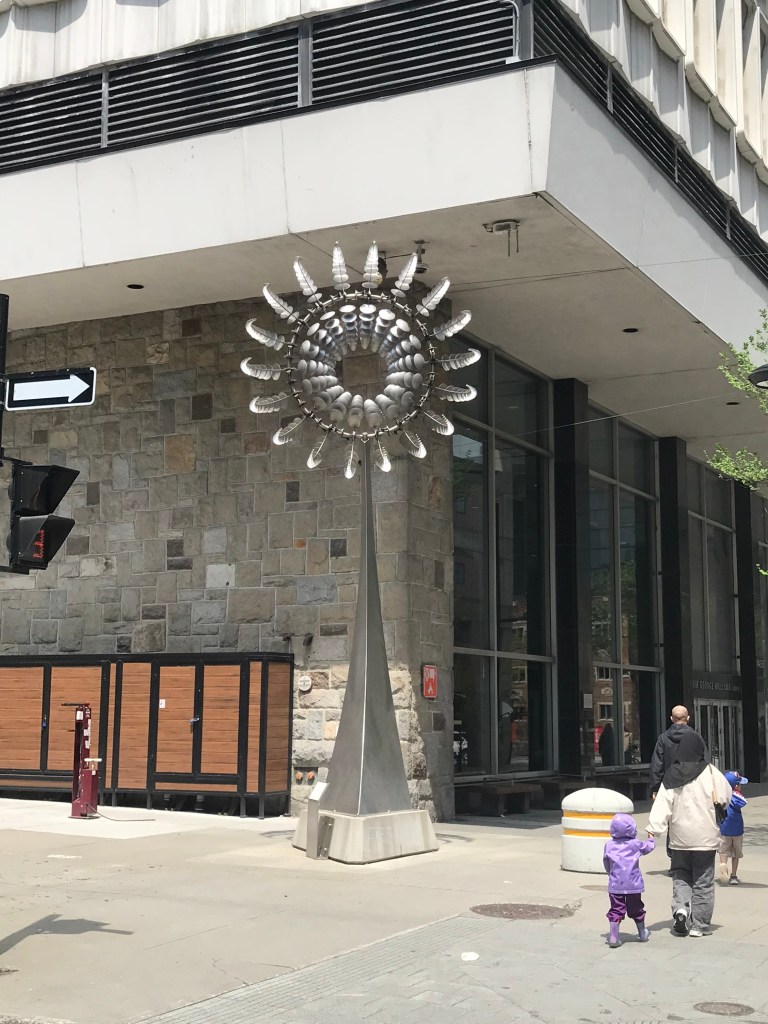
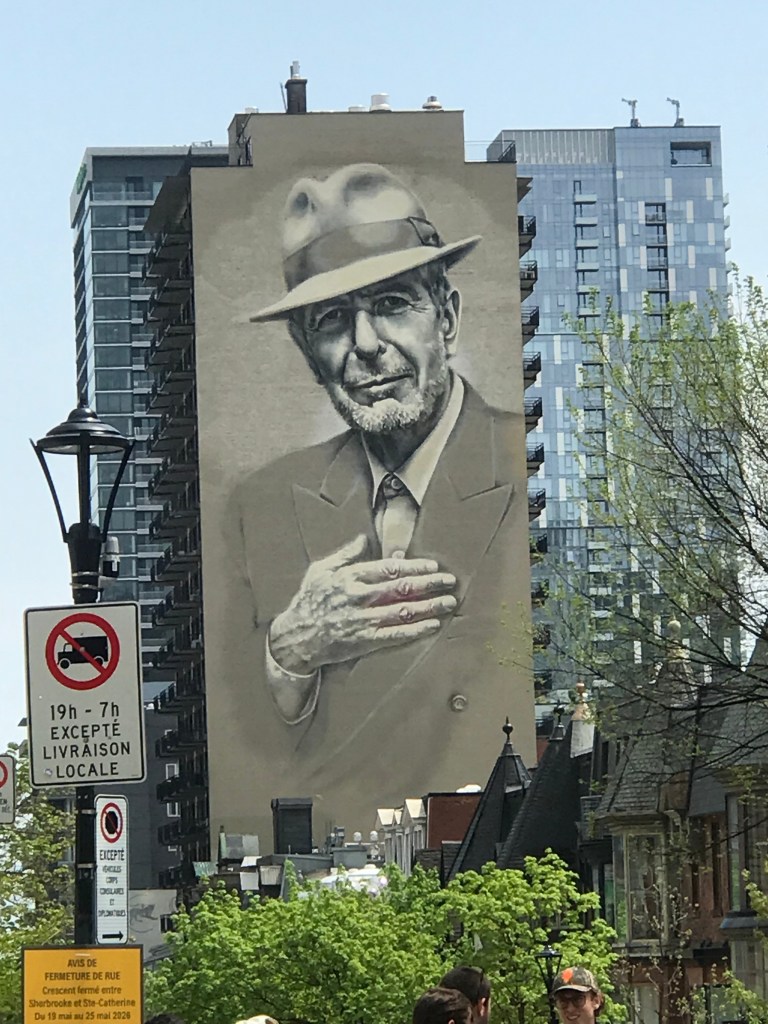
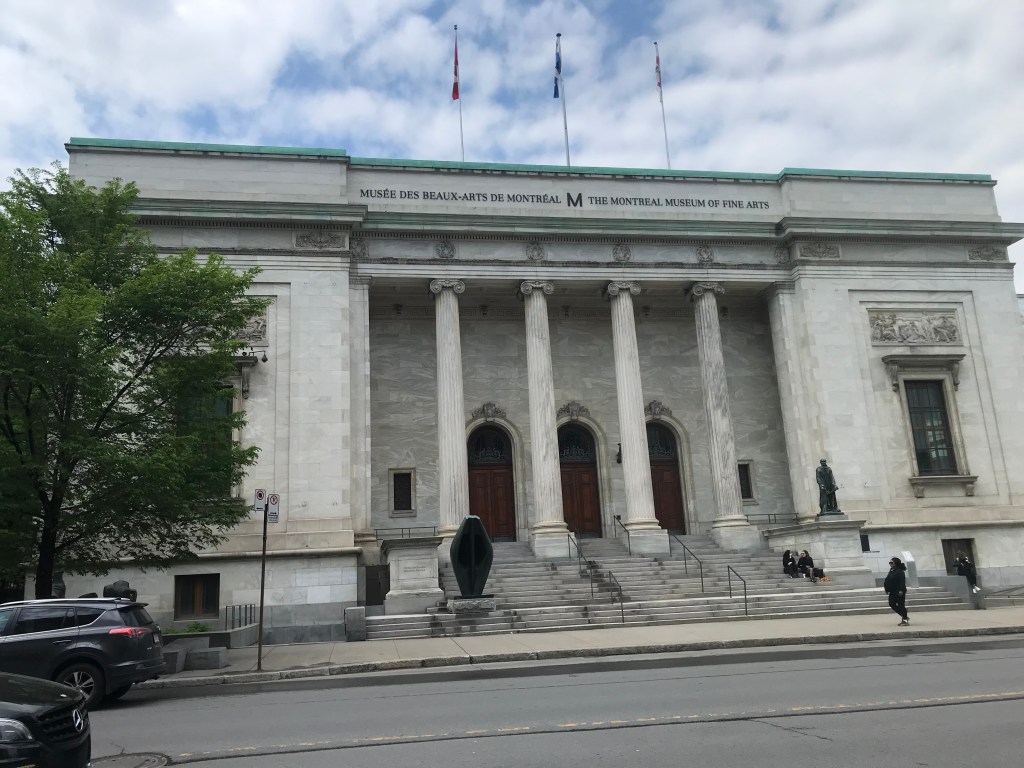
Walking through the streets, I came to my next stop: Montreal Museum of Fine Arts, or Musée des beaux-arts de Montréal. The old building I first saw was shut.
But just across the road was the modern building, which was open.
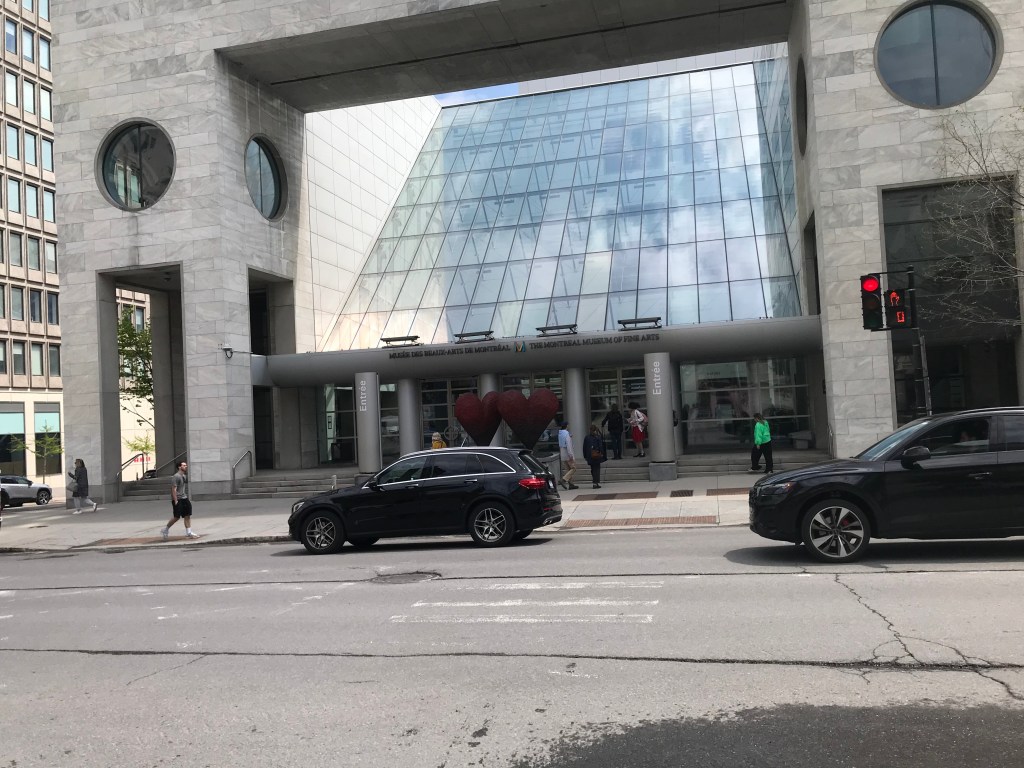
Scattered around the intersections were various metal sculptures with various interpretations.
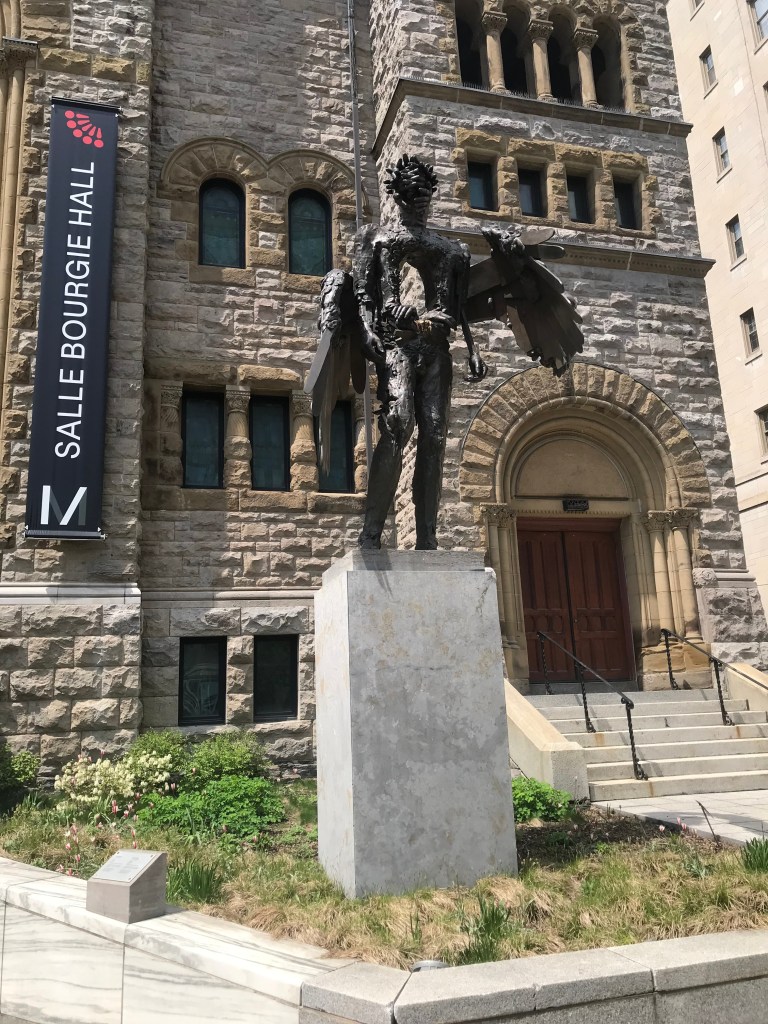
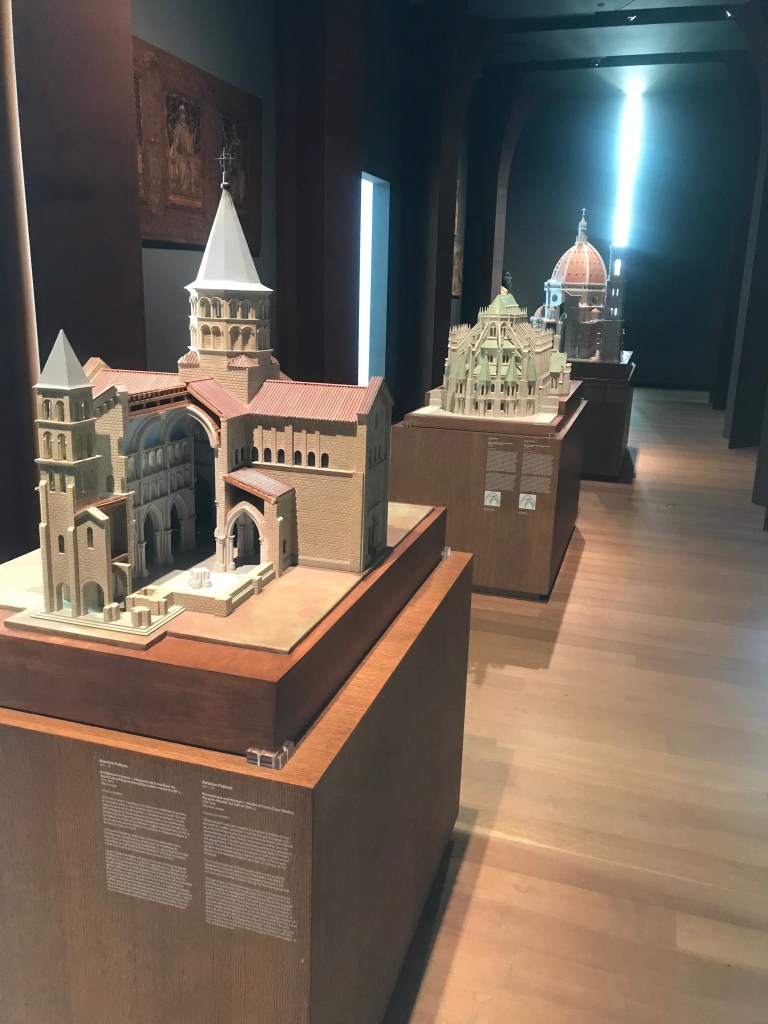
I went in and began wandering through the exhibitions. So much was there: Rodin, Degas, Classicism, Rococo, Medieval Art, sculptures and art from several countries and times, one whole Egyptian mummy… I can only show you a tiny selection.
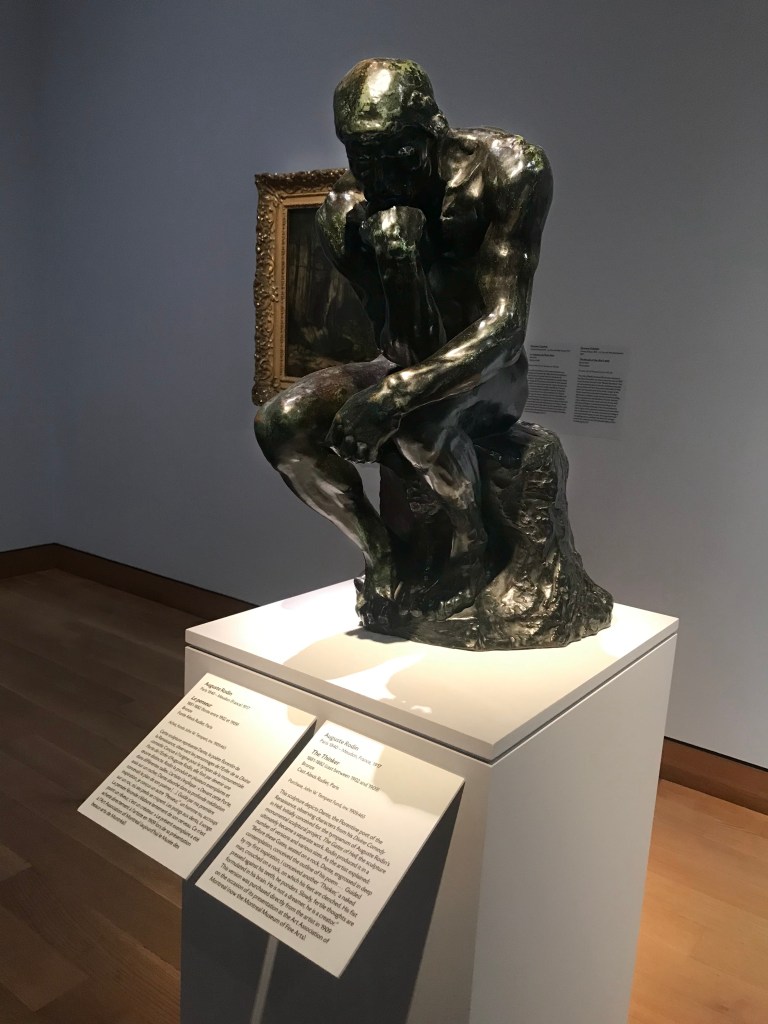
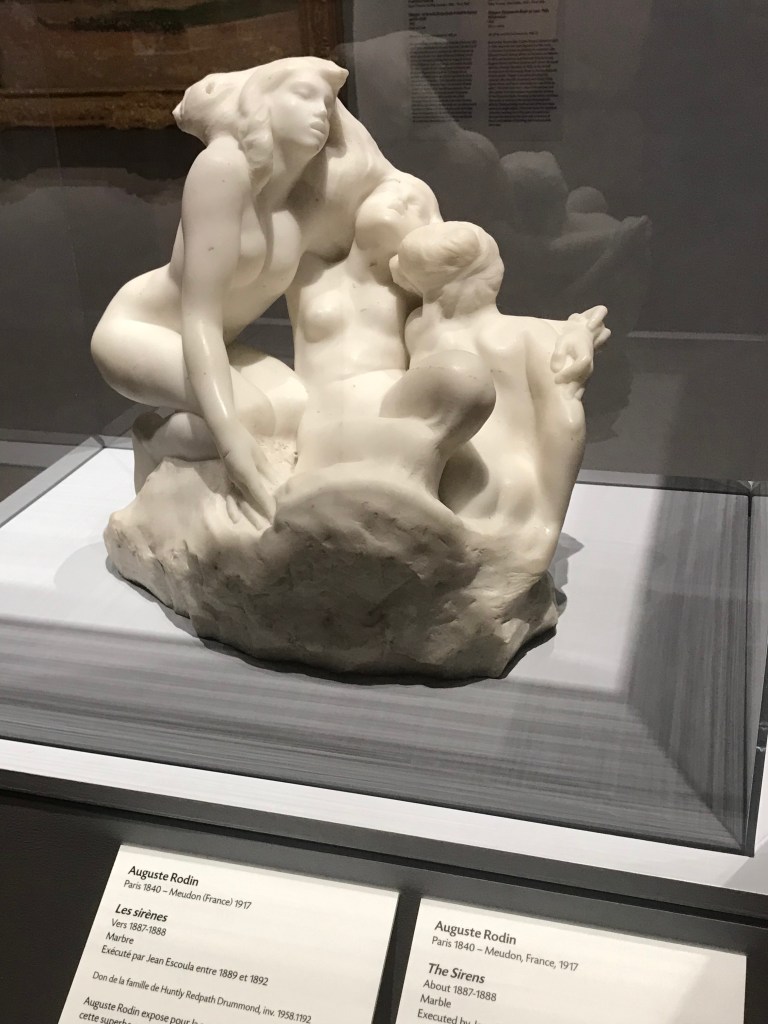
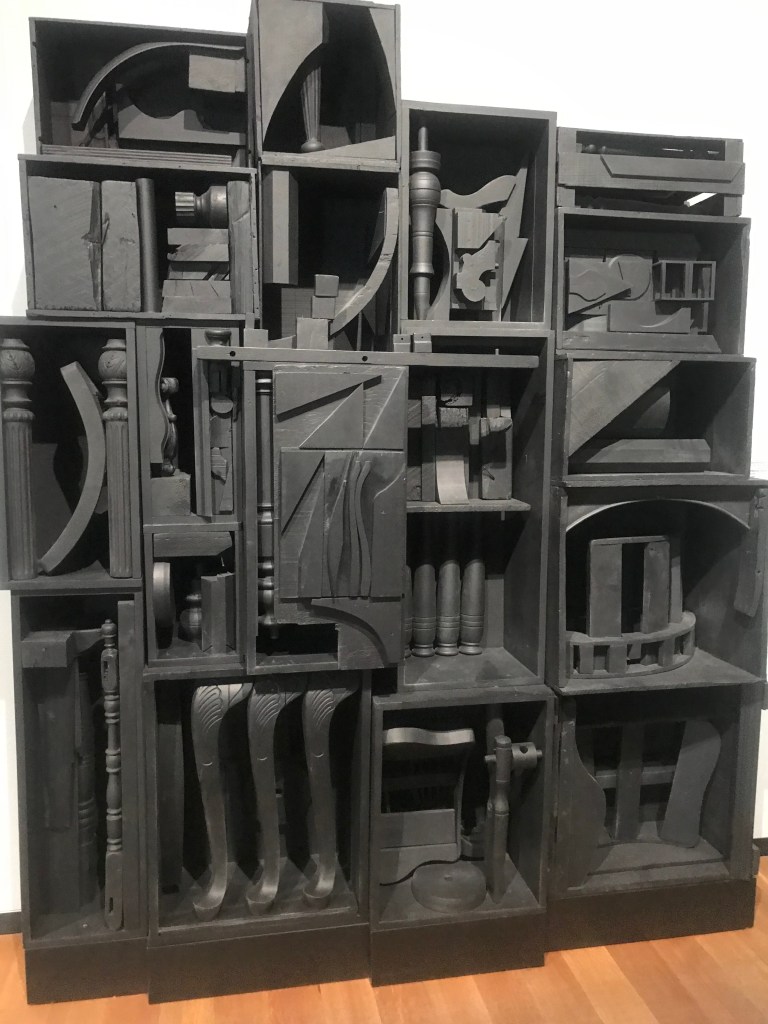
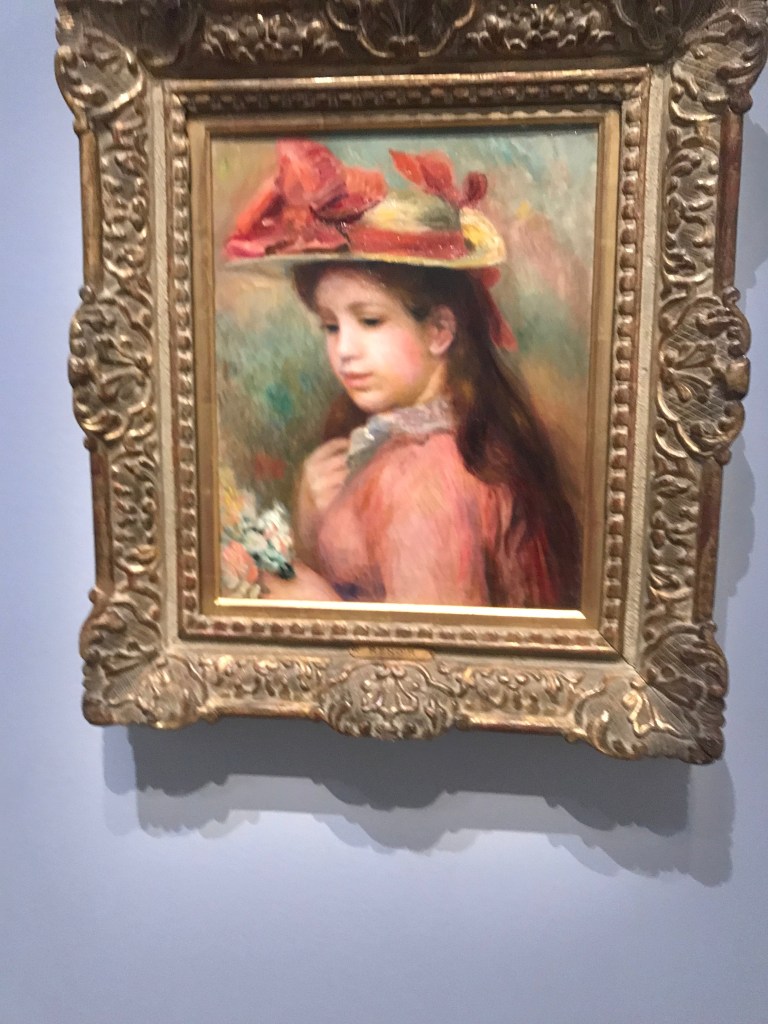
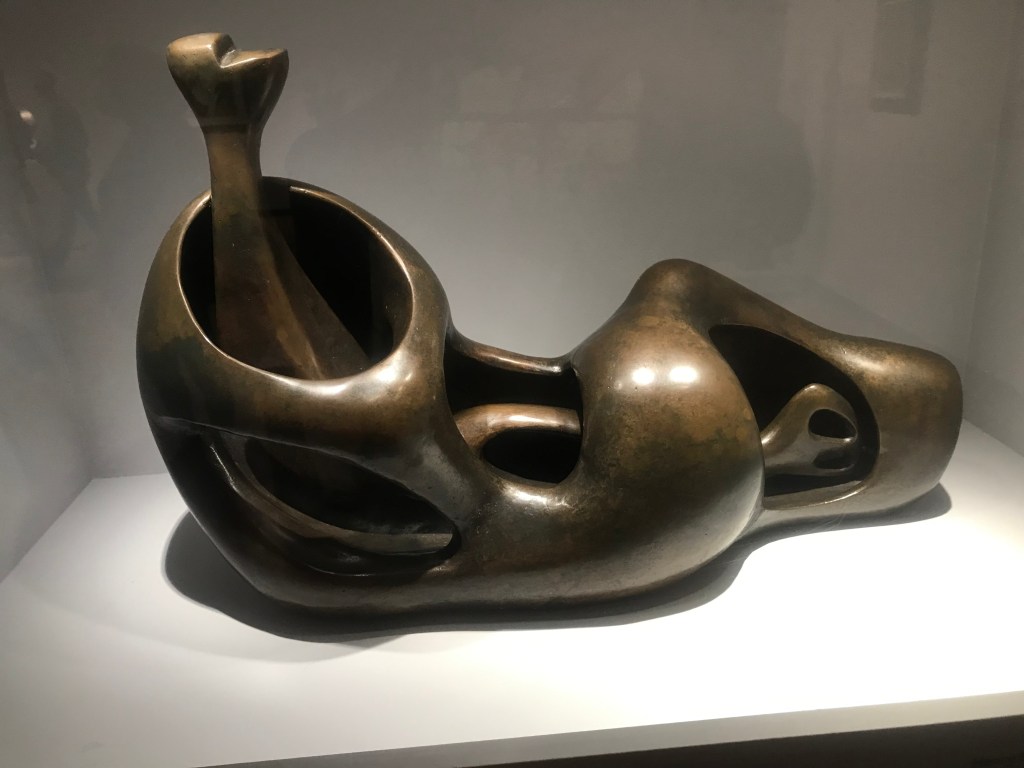
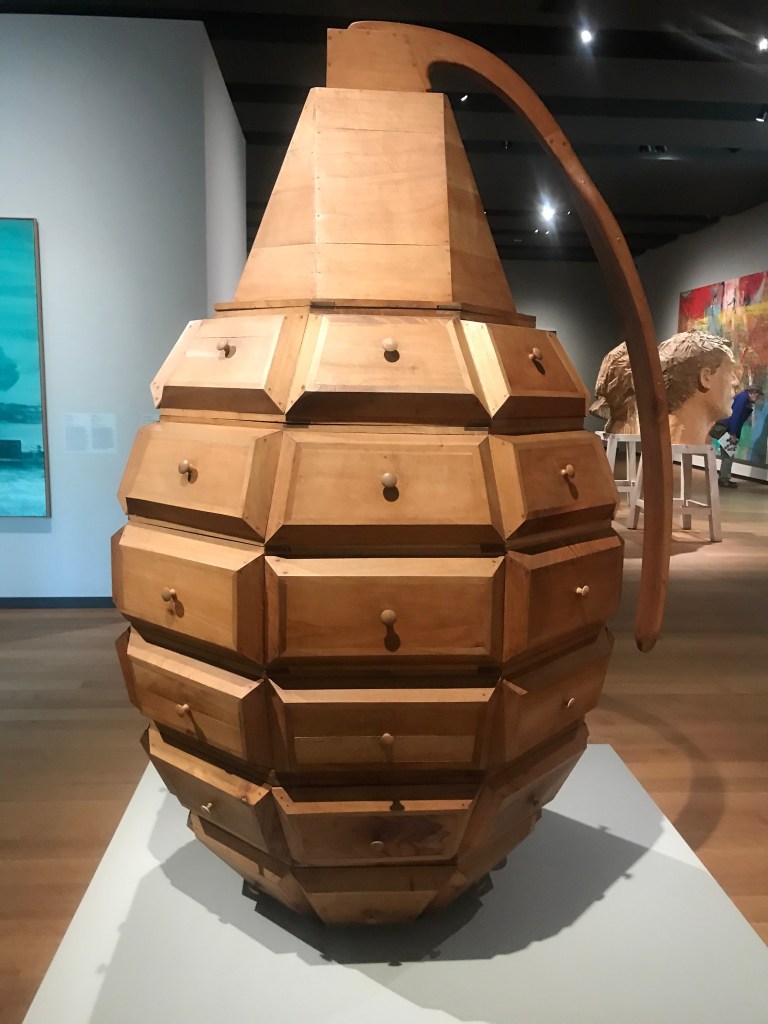
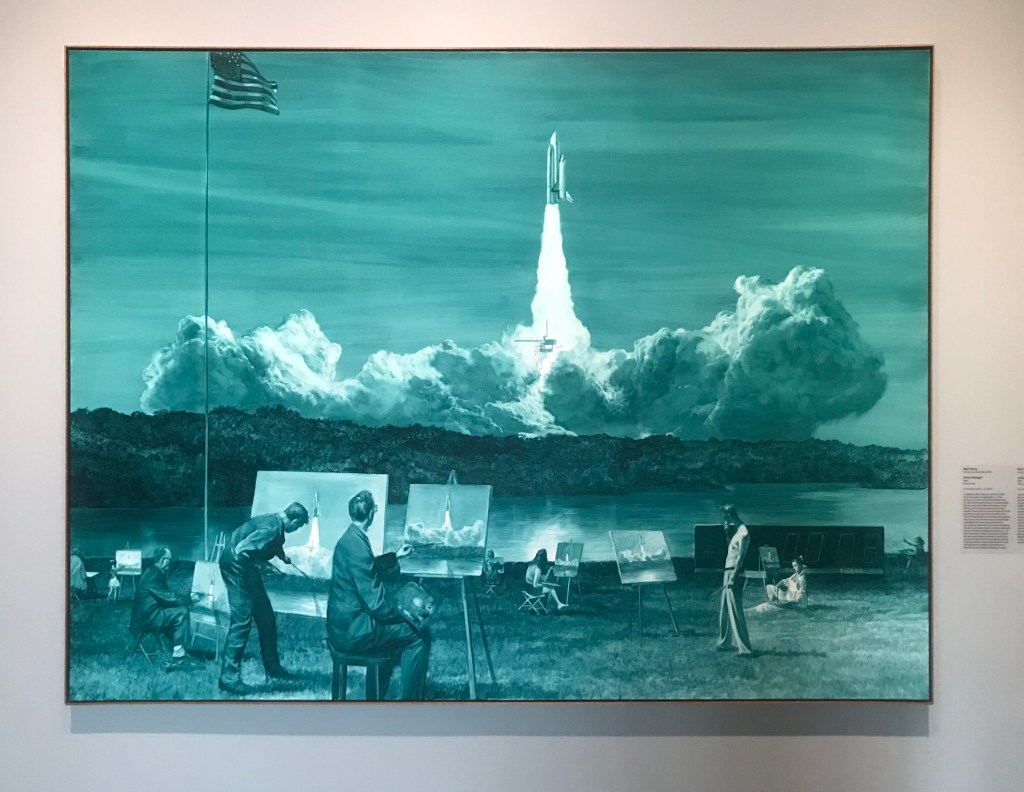
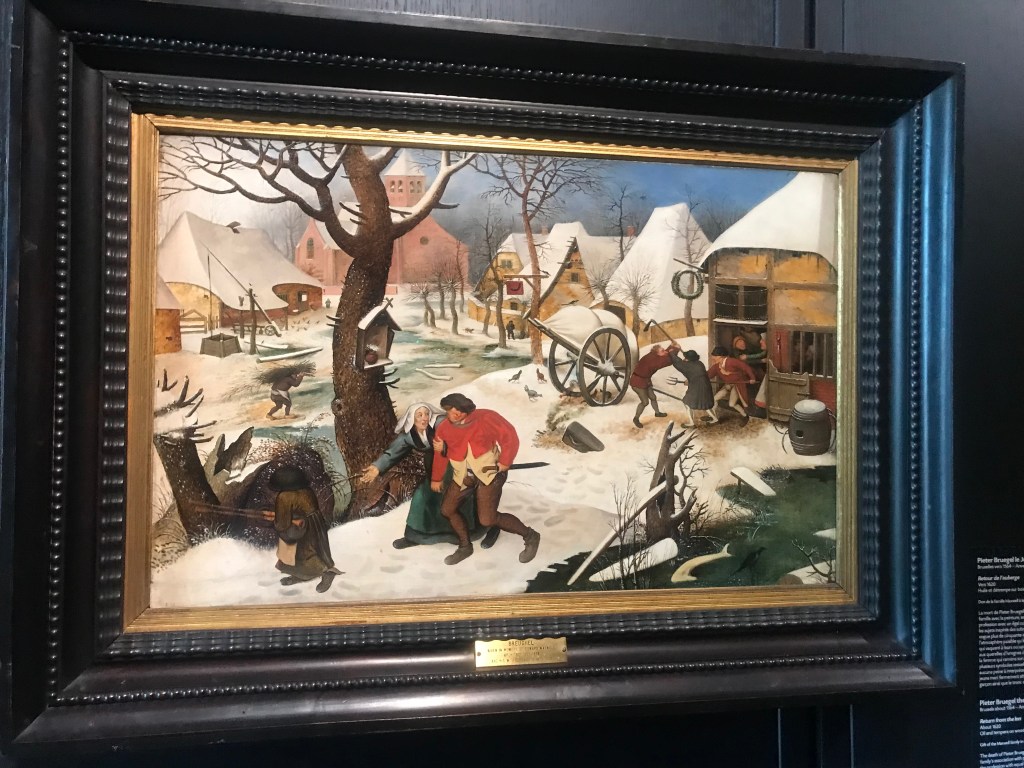
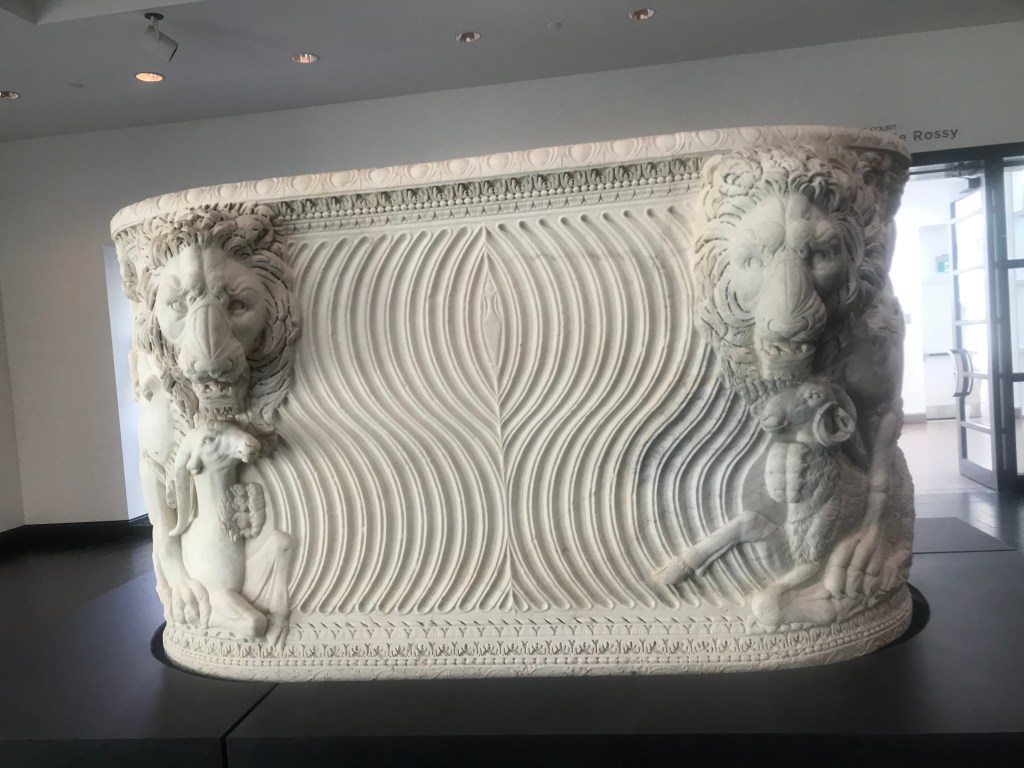
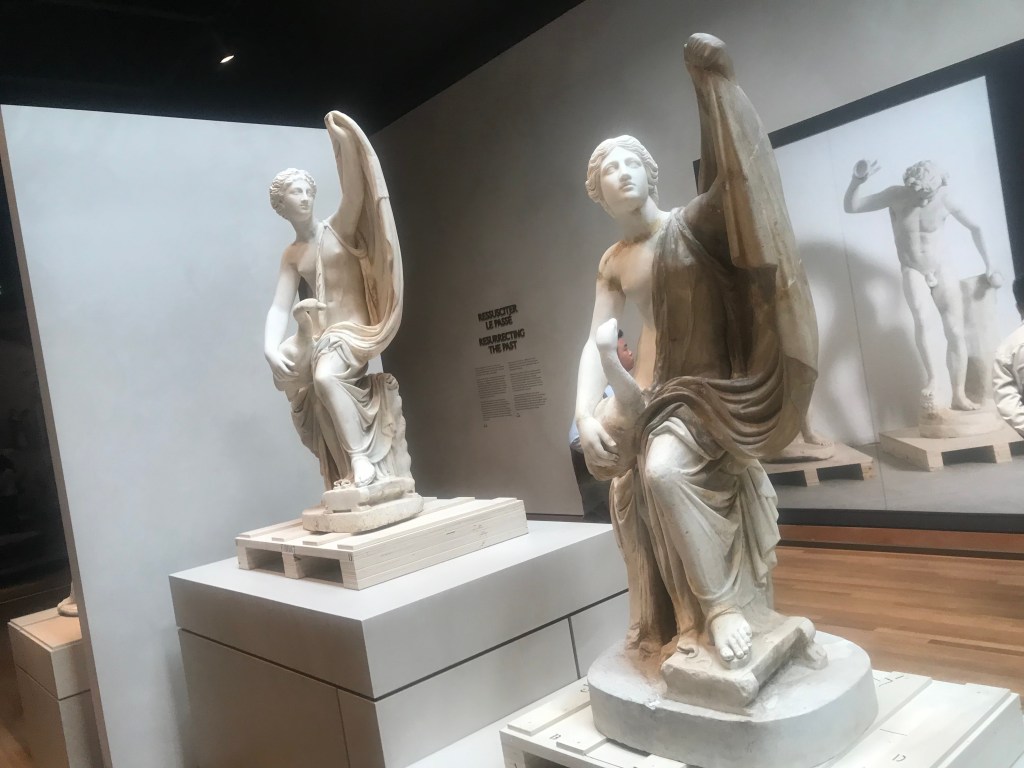
One exhibit on at the time was The Torlonia Collection, a collection of ancient Roman sculptures brought together by Alessandro Torlonia, a 19th-Century banker.
One surprising thing to learn is that most of the statues are not “pure”. During the Renaissance, several statues were “restored” by either having new marble carved to replace missing parts, or parts of different statues combined to replace gaps; the exhibition showed how much of each statue was original.
Stadium Stop and Canal Route
After about four hours in the museum, I felt I’d had my fill of art for the week. Outside, the sun had come out and the streets had refilled with people. Before heading back to the hostel, I looked around for some form of grocery store. Found an Asian supermarket open and picked up a few supplies.
After dinner, I checked through my list of remaining things to see. One was the Olympic Stadium, the site of the 1976 Olympics. (I still remember watching John Walker win gold there.) The Stadium website stated that they were offering tours. However, when checking the details, I discovered that the tours are only on weekends until mid-June.
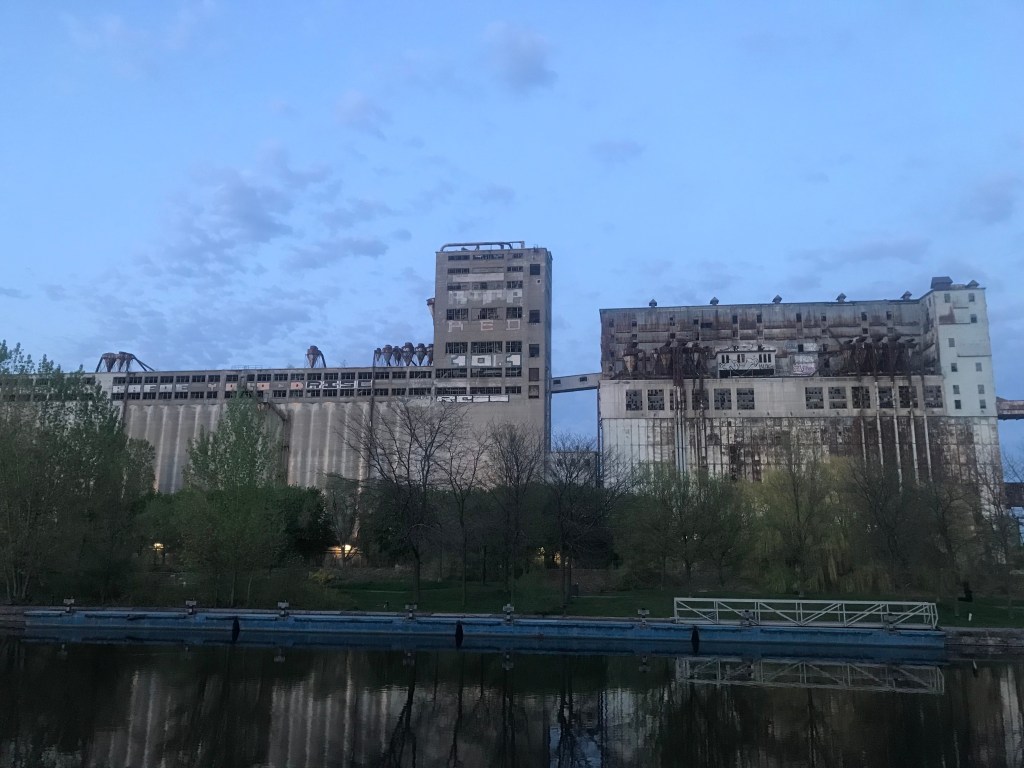
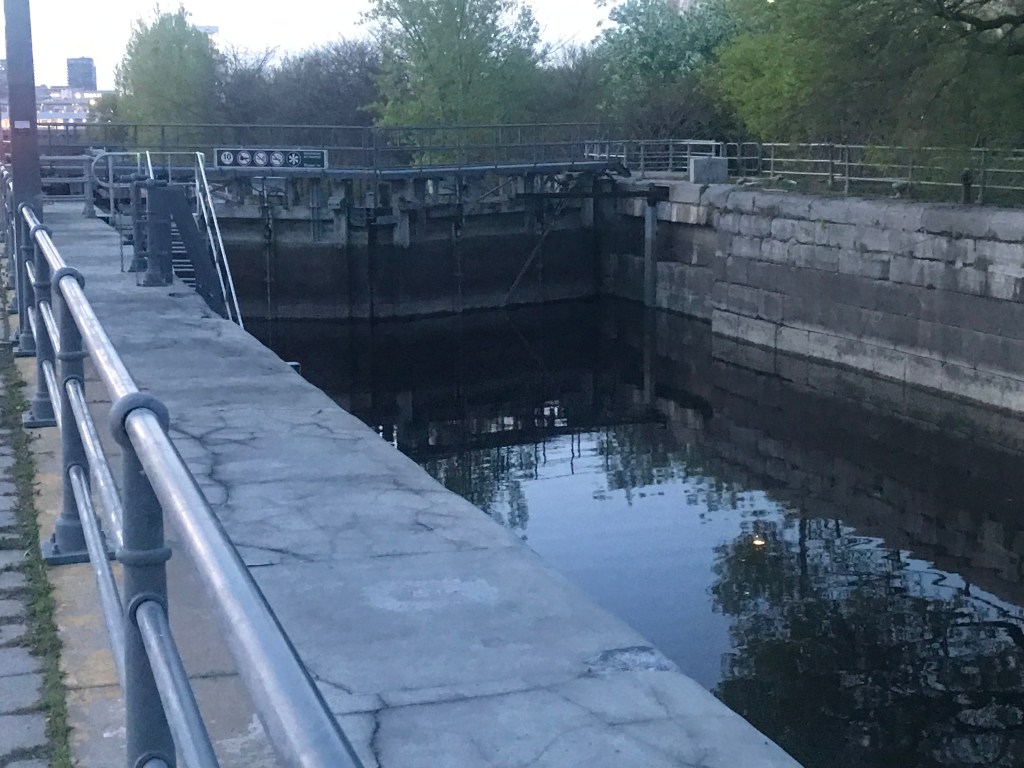
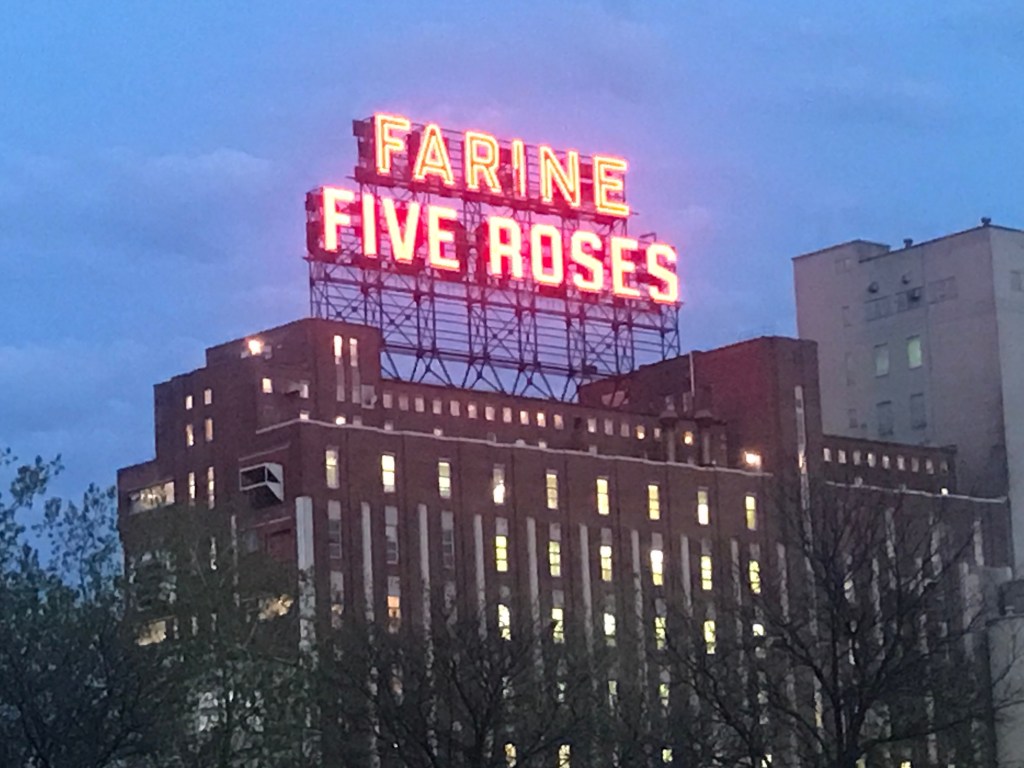
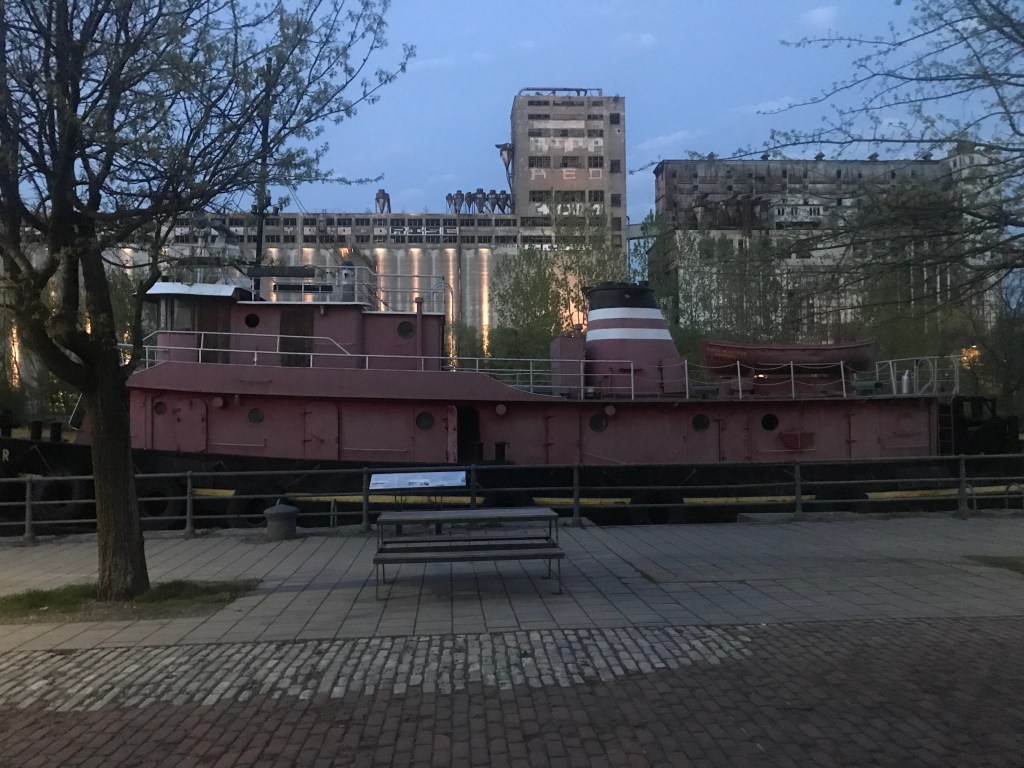
Again disappointed, I had a walk through Old City again. Plenty of people around, and another hockey game was blaring from the taverns. I reached the end of the cobbled area of Rue St-Paul, then turn off and followed the old Lachine Canal, which used to transport goods within inner Montreal.
May 19: Another Frustration
A balmy day toady, as I set off along the Green Line to McGills University. (Montreal has lots of universities.)
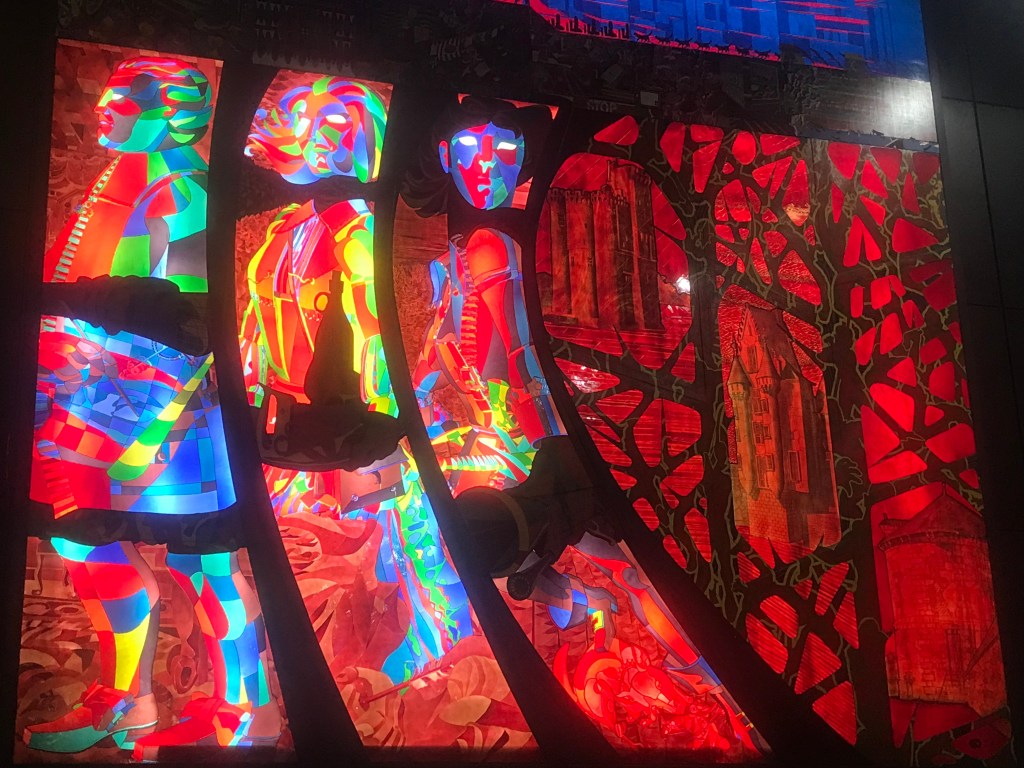
McGills Uni and the area around it is an English enclave: the streets have English names (“Rue Milton”), as do the faculty buildings, and there’s even an Anglican Church there.
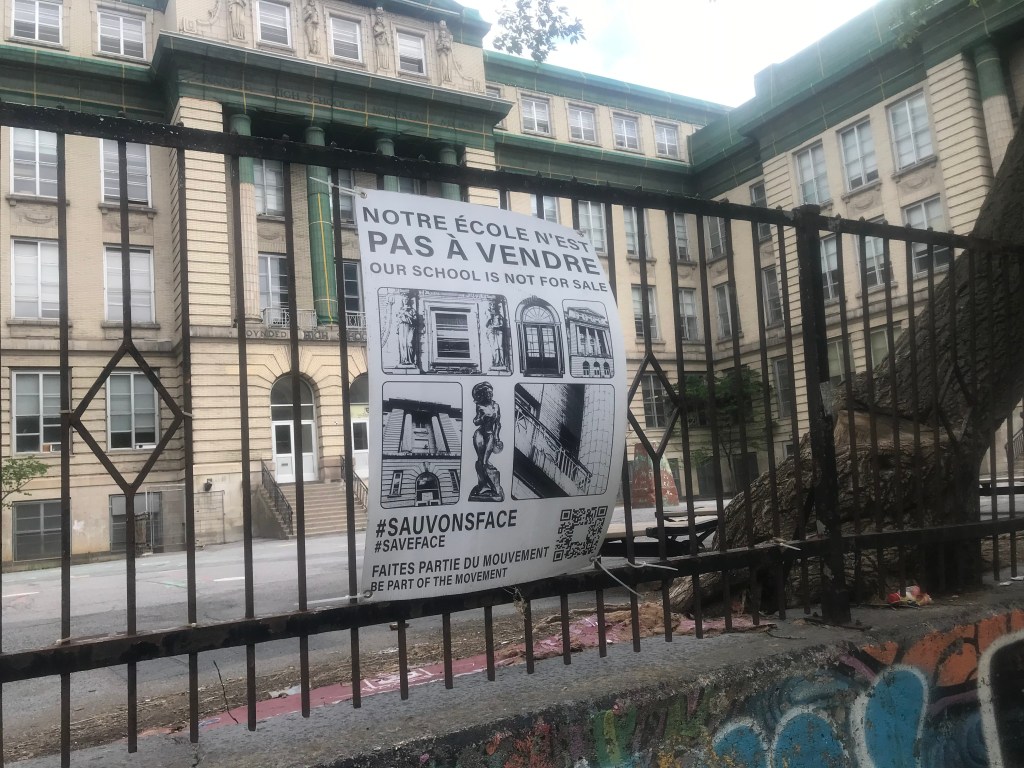
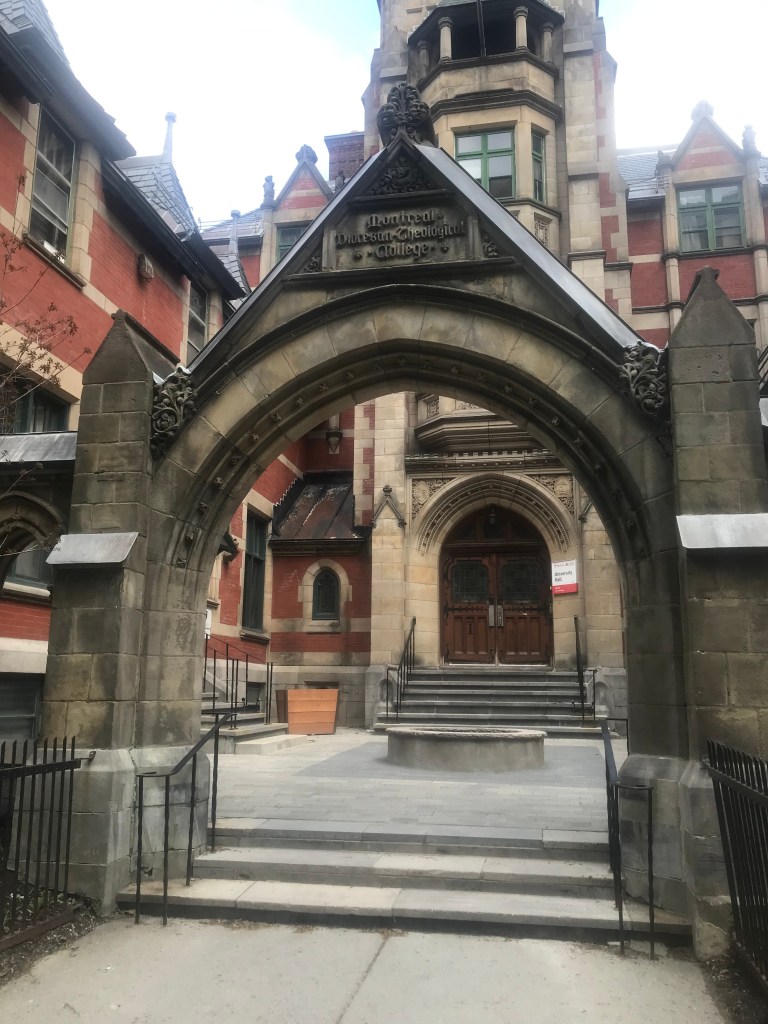
My intended destination was The McPherson and Rutherford Physics Collection. Ernest Rutherford was Chair of Physics at McGill from 1898 to 1907, where he made several of his major discoveries. The university kept several of his experimental apparatuses, which are on display. The McPherson Collection is another set of experimental tools from the late 19th and early 20th Centuries.
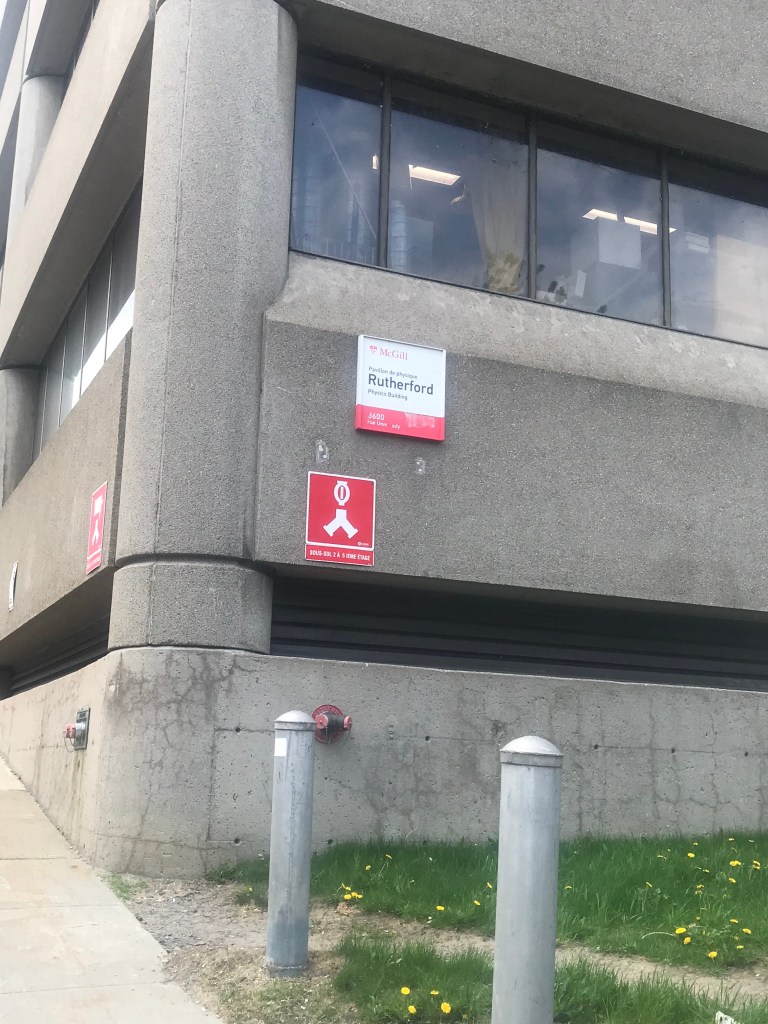
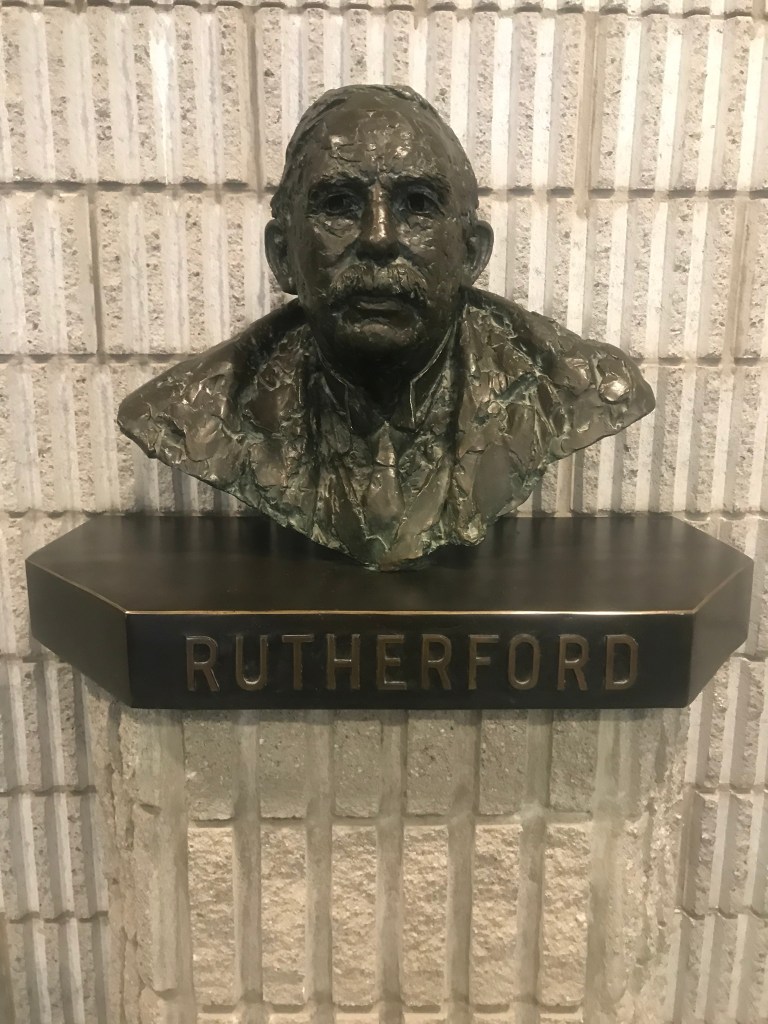
I found the Ernest Rutherford Building easily—but, yet again, there was a catch: the displays are only open via appointment, and the curator can only be contacted by email.
Le Stade
Figuring the curator probably wouldn’t respond to my email particularly quickly, I decided to make the best of it and travelled further along the Green Line to the Olympic Stadium; if I couldn’t tour the inside of it, I could at least look at the outside of it.
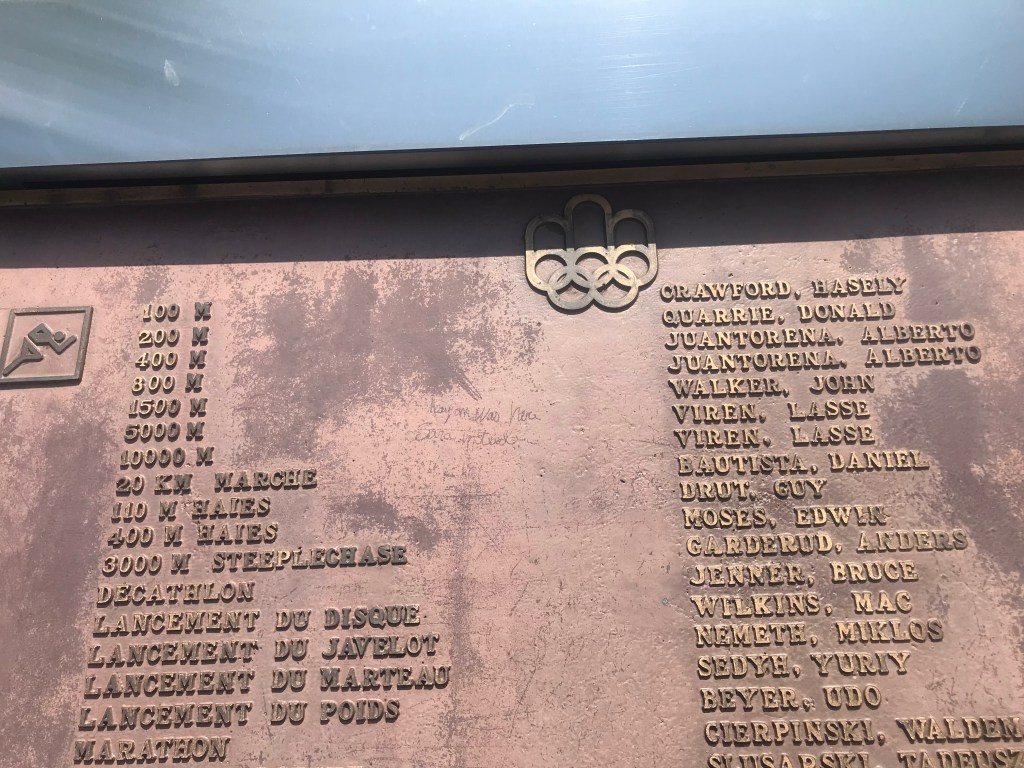
At Station Pie-IX, the exit didn’t go immediately to the street above. Instead, it lead to a large foyer where spectators could enter the Olympic Stadium (“Le Stade”) from below. Since the ’76 Olympics, Le Stade has been used for other big events, e.g. sports matches, rock concerts, The Pope and so on. Along the foyer were pictures of some of the stadium’s most notable events.
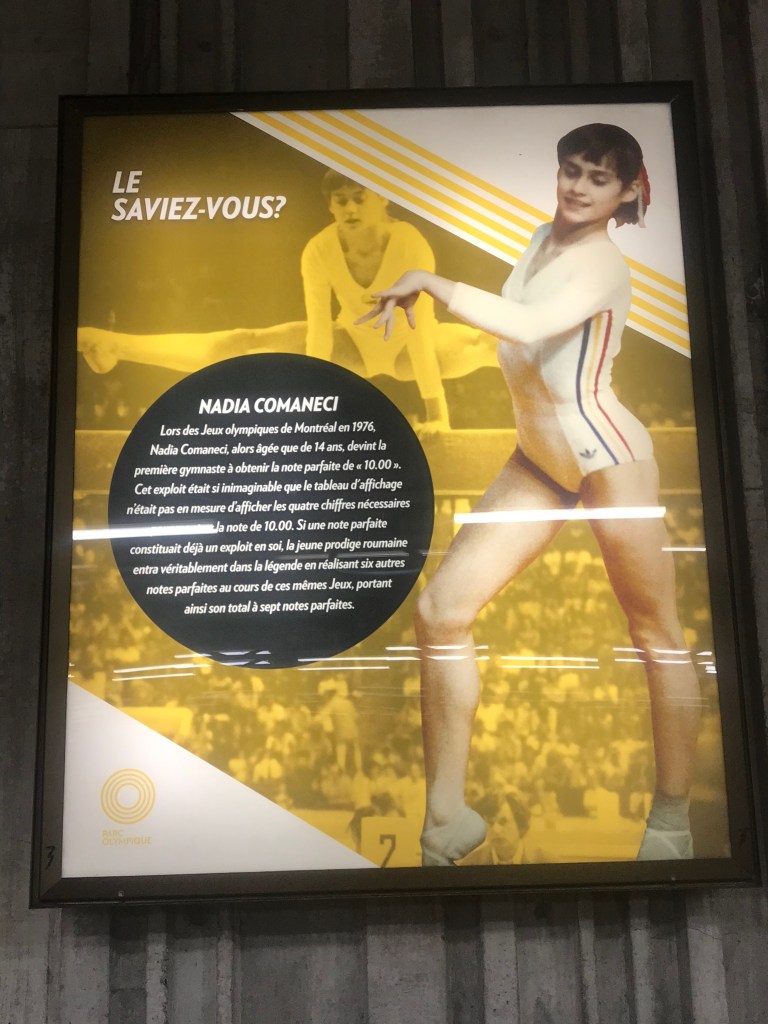
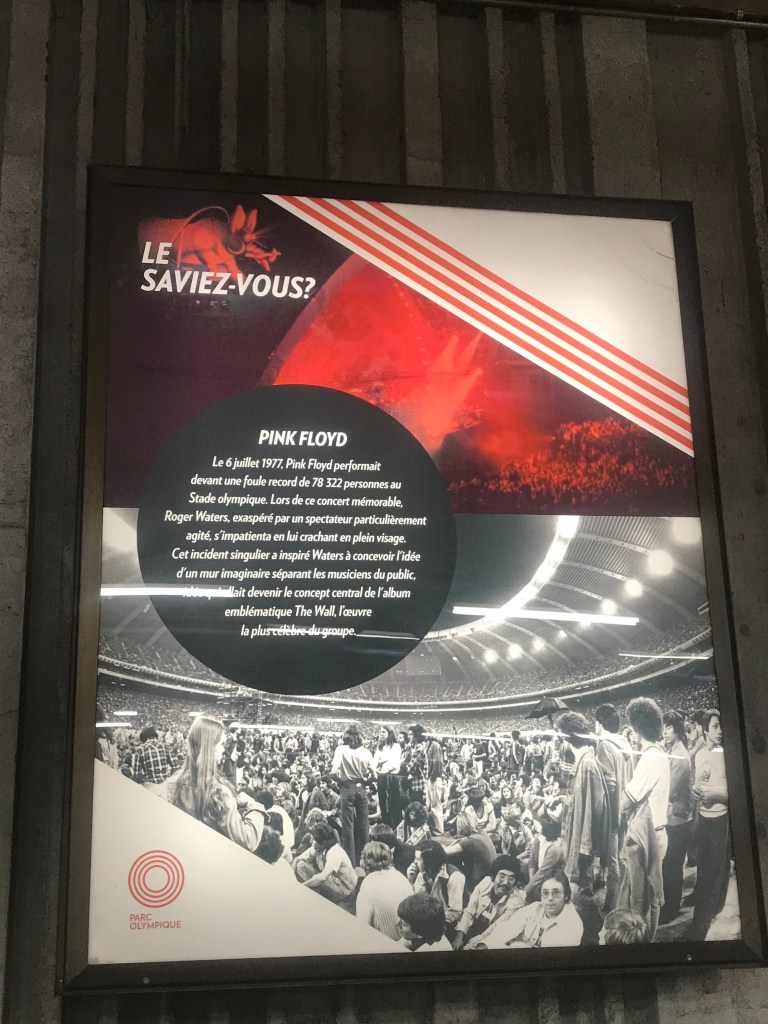
Preparations are also underway for the 50th anniversary of the 1976 Olympics.
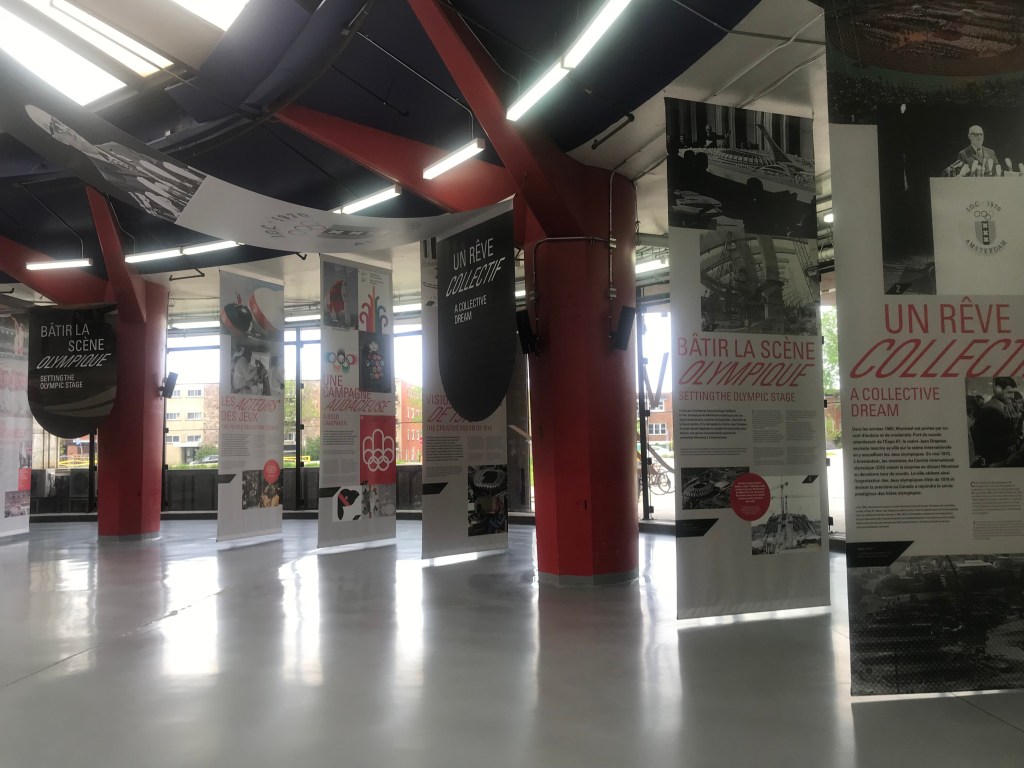
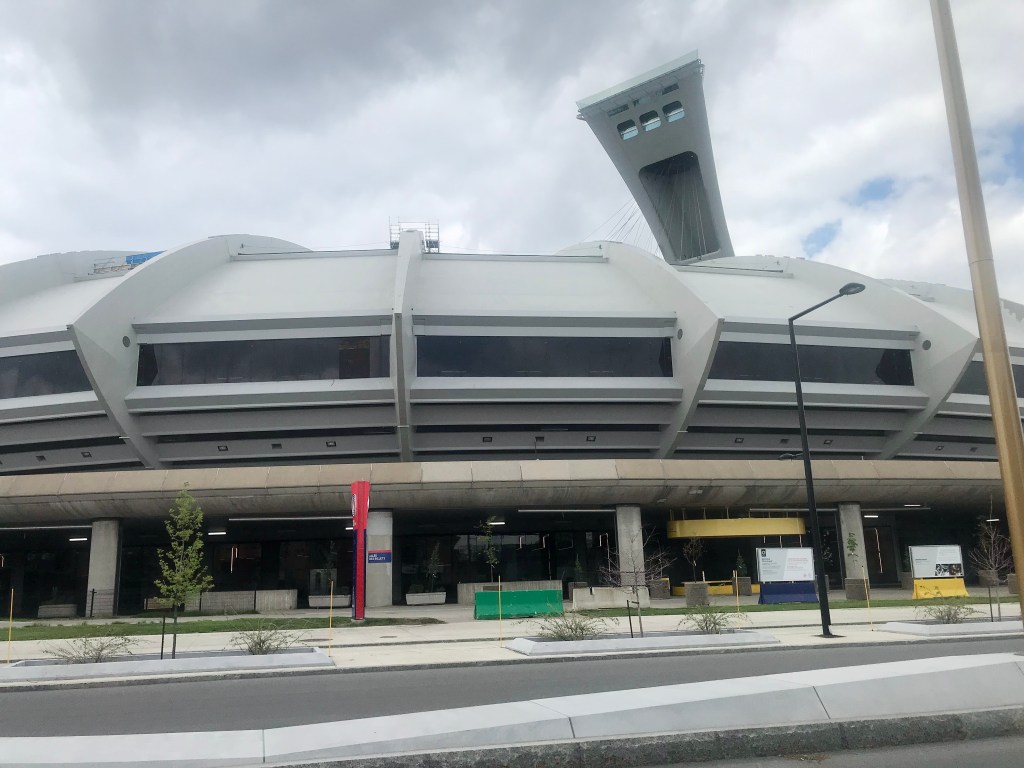
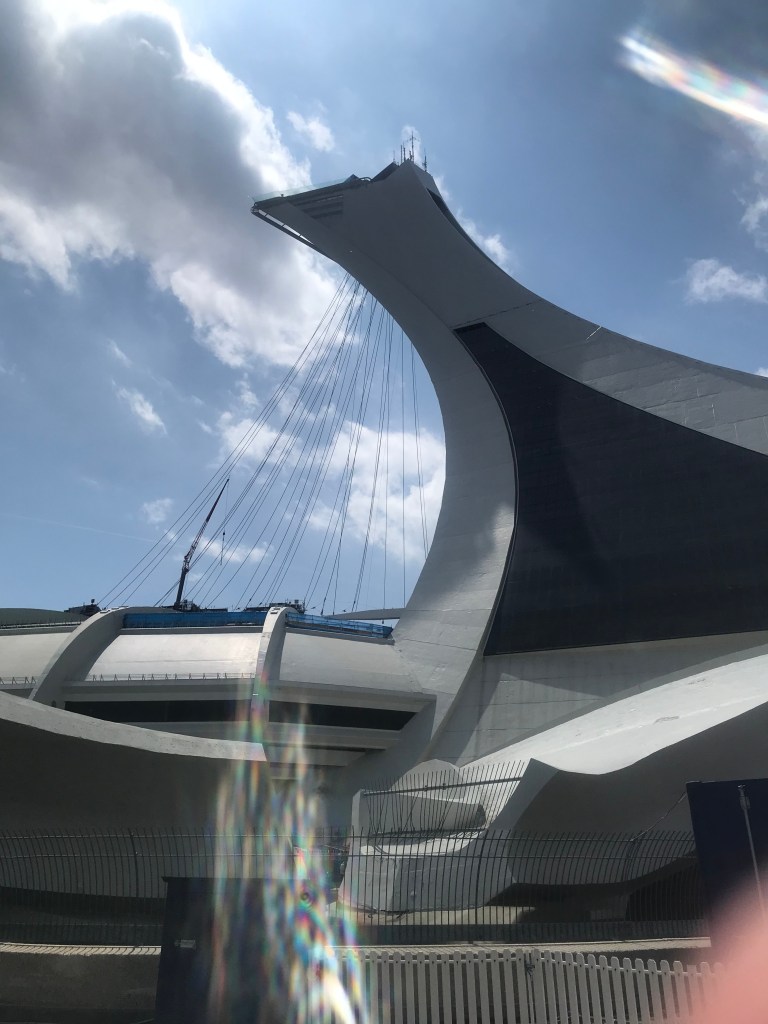
Emerging outside, I could now see the scale of the stadium. It’s still a striking piece of ‘70s architecture.
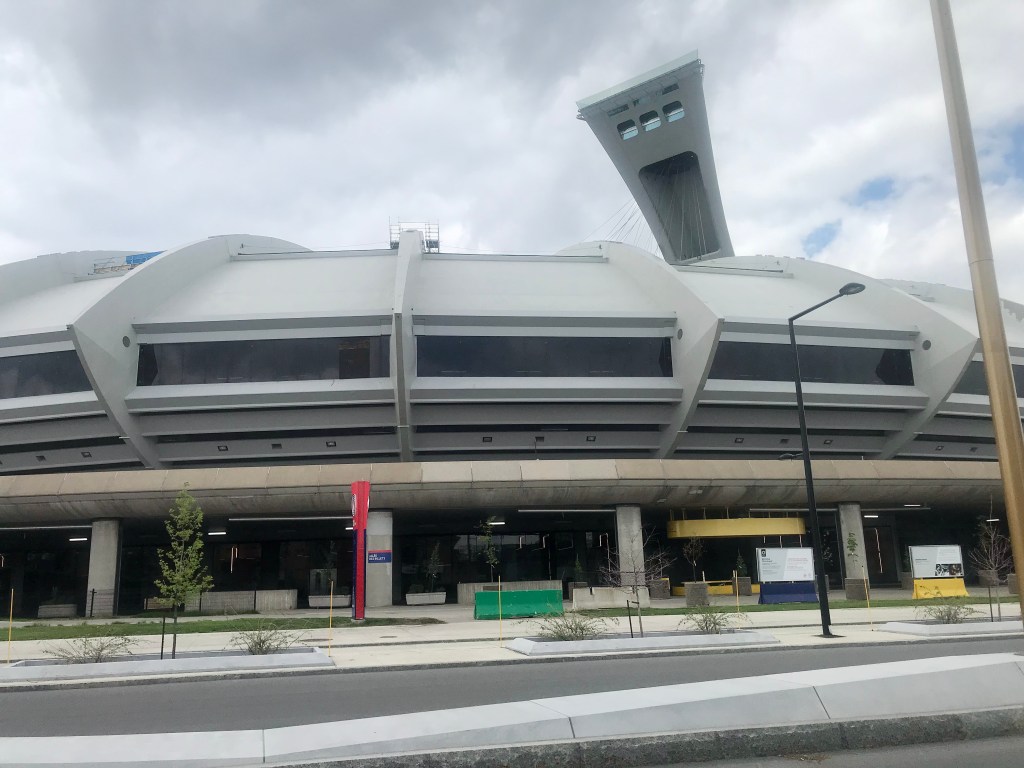
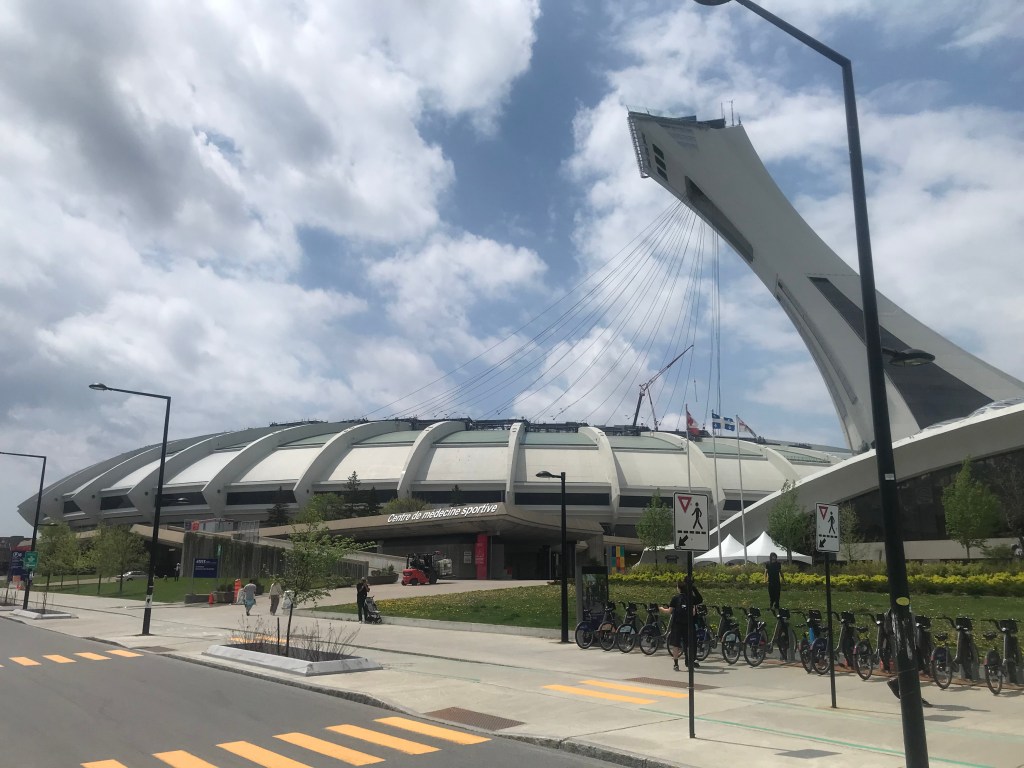
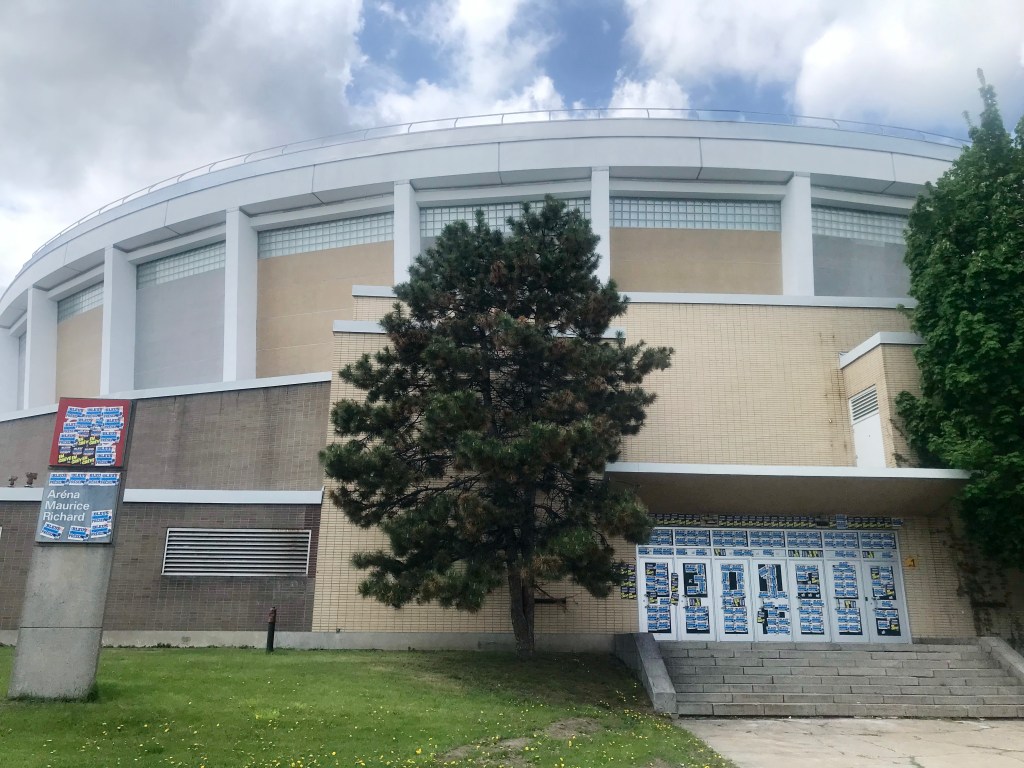
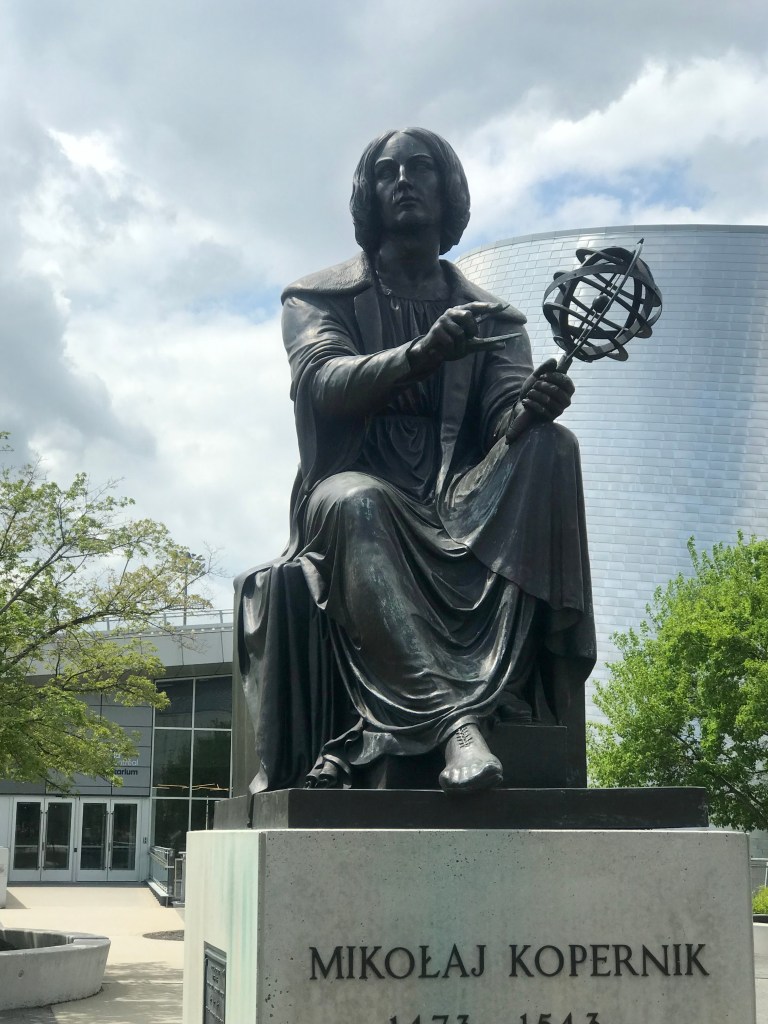
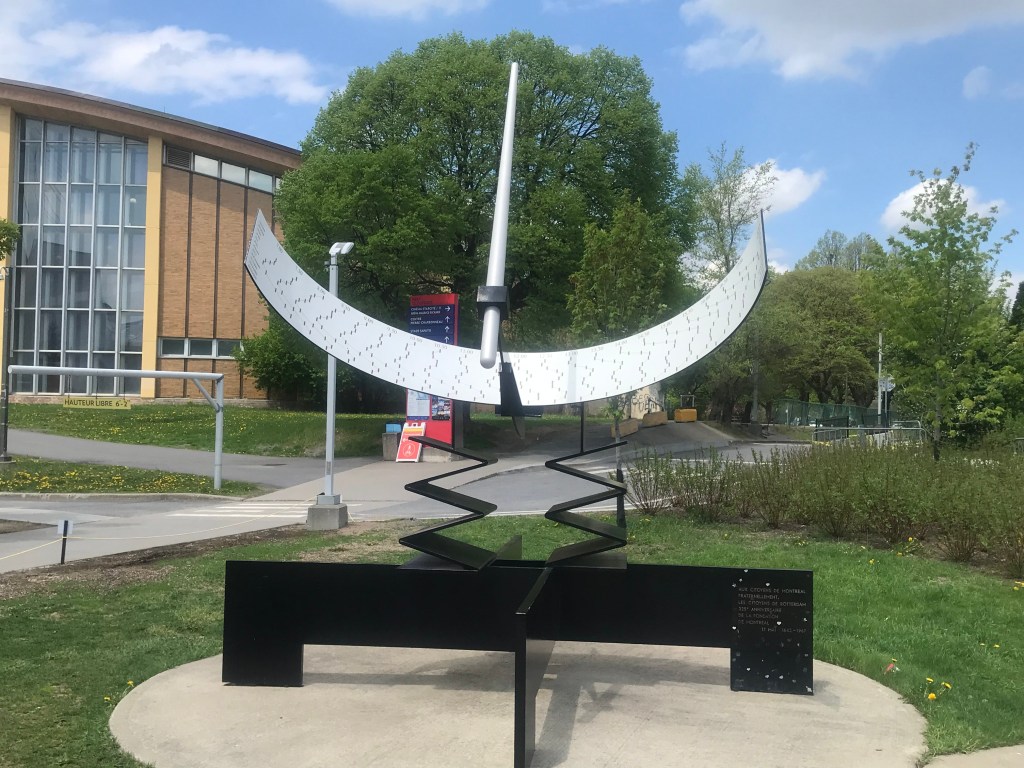
The area around it, which contained the other Olympic venues, has been rebuilt into a public park, including a sports health centre, a planetarium, a biodome and a branch of Star City Cinemas.
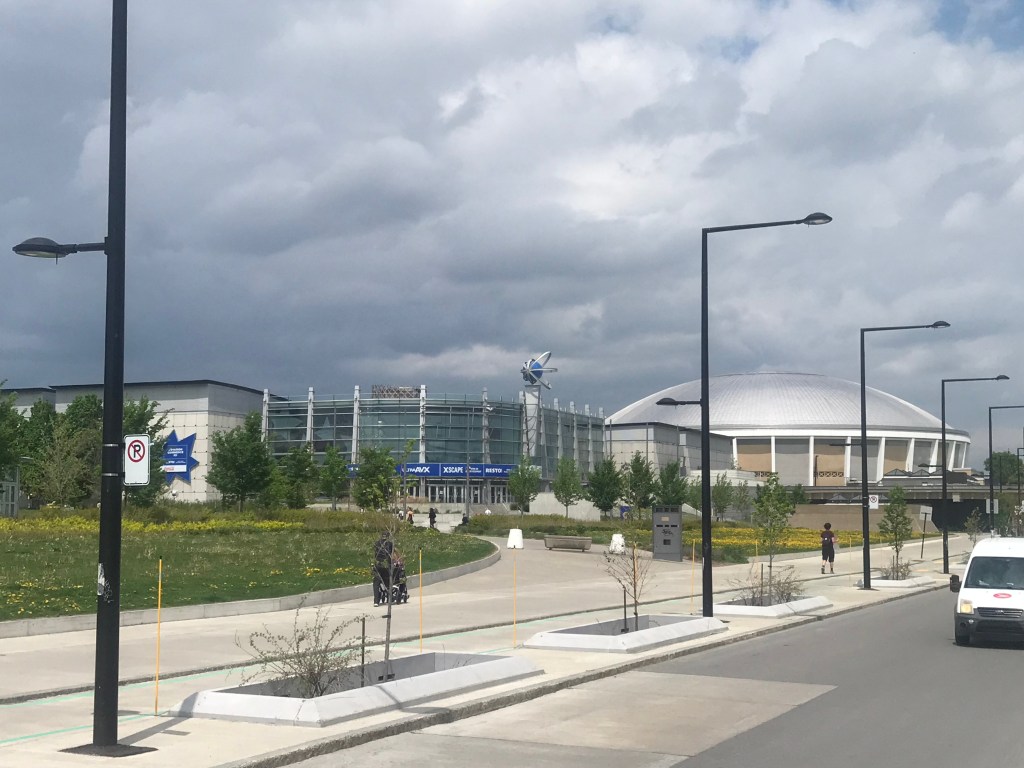
I noticed a group of athletes heading into the stadium, and was able to follow them as far as being able to see the swimming pool and the weightlifting area as they’ve now become.
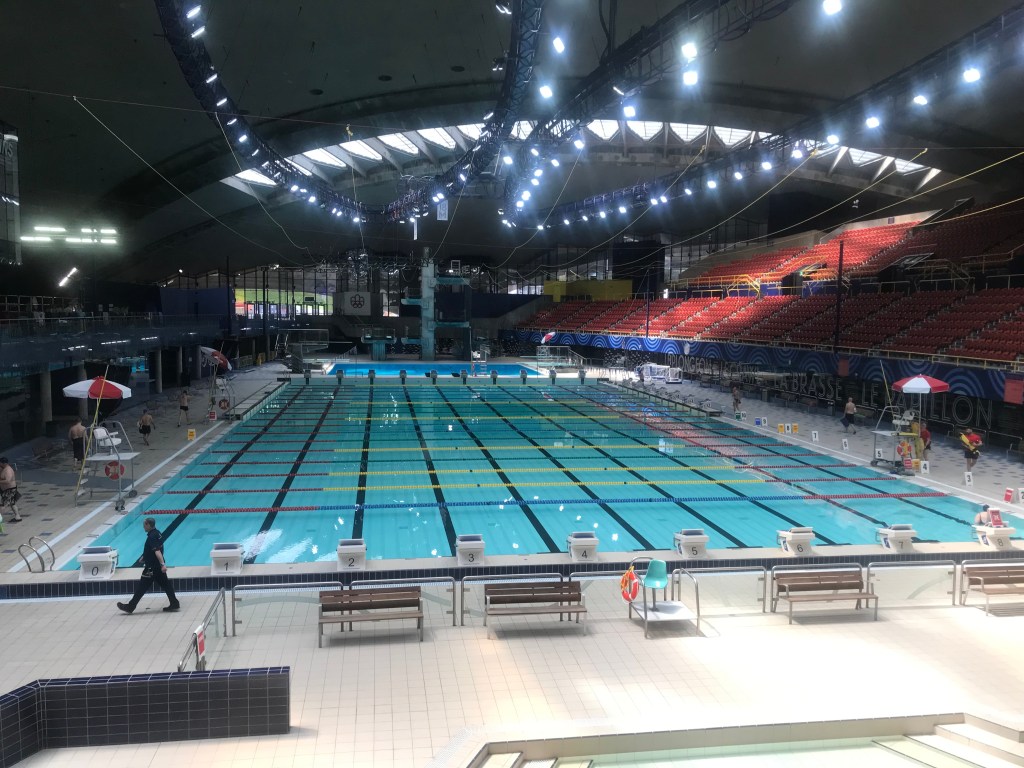
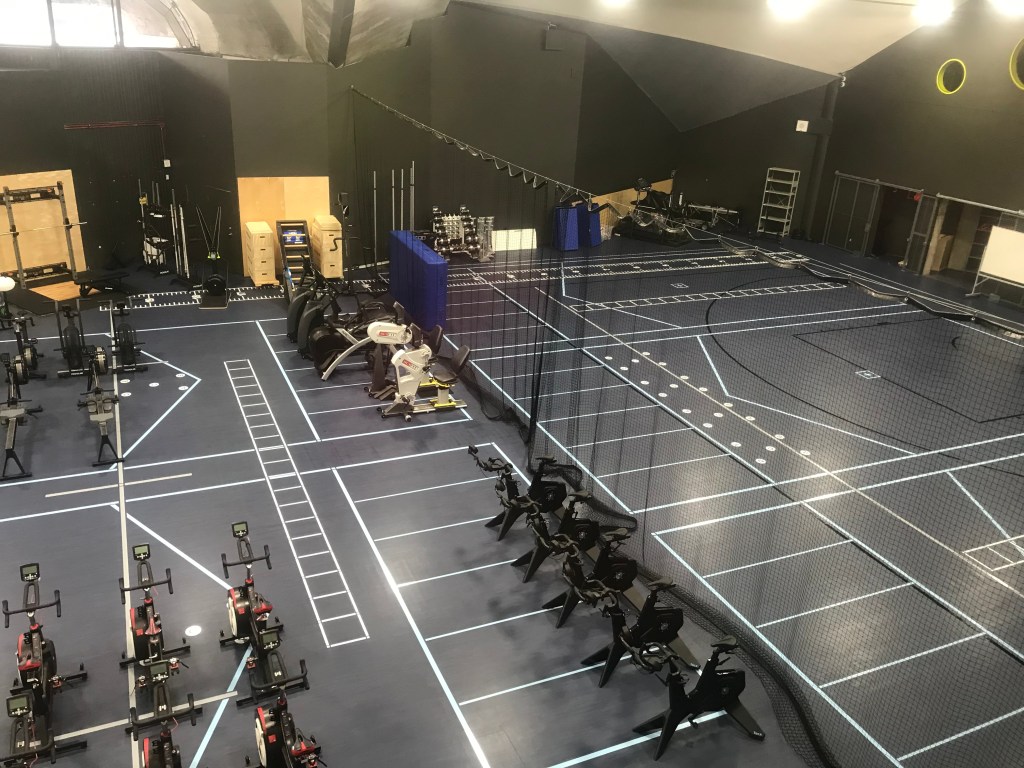
The velodrome is now the Biodome.
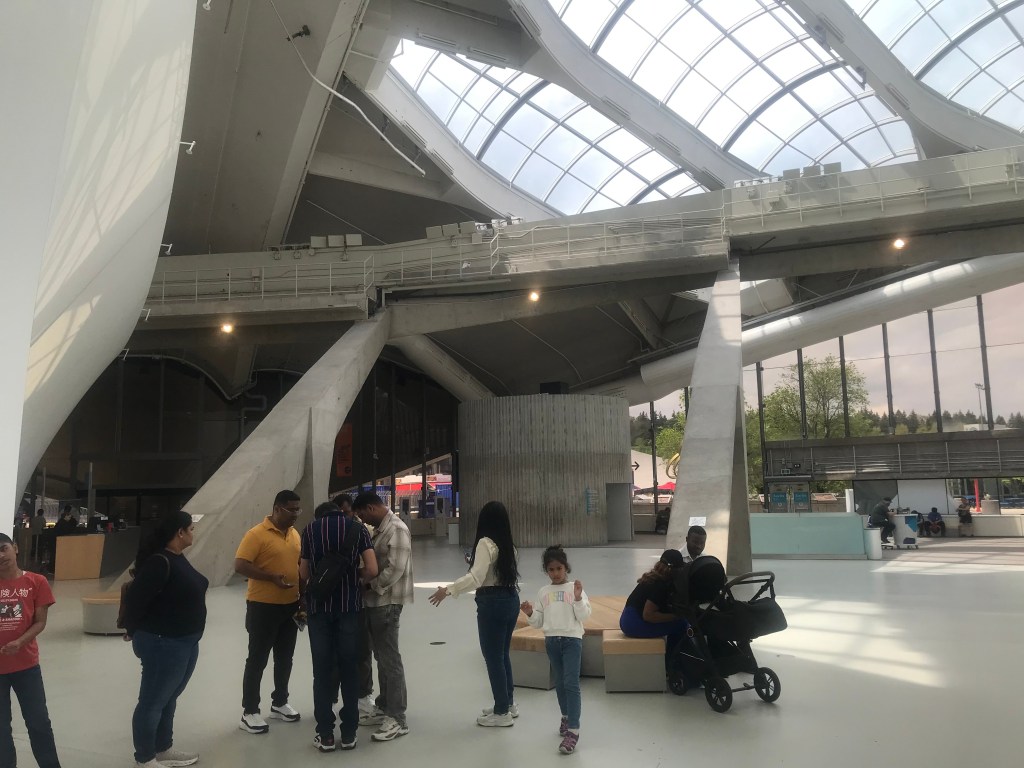
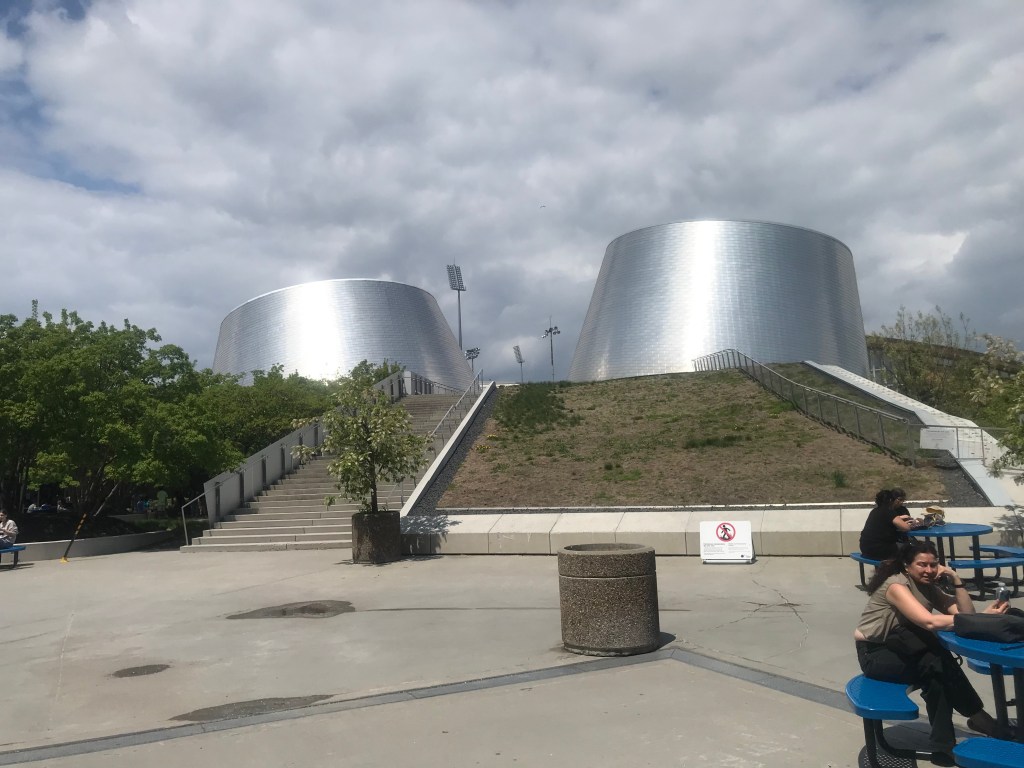
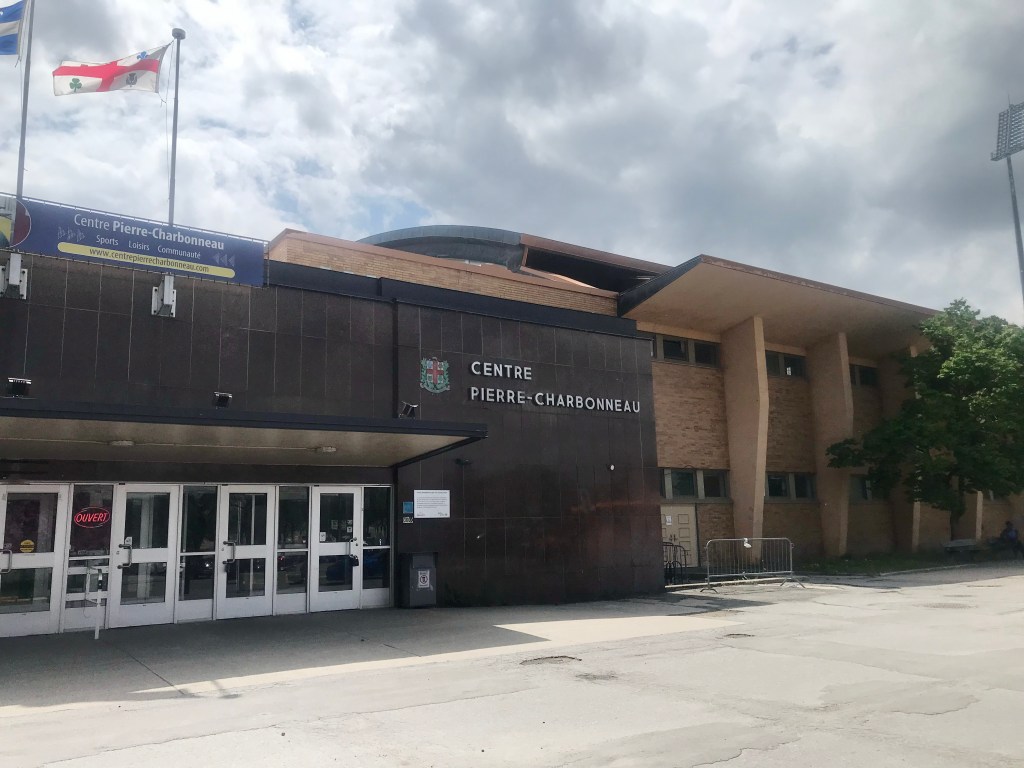
High-wire Act
After checking out most of the buildings, the heat of the day began to get to me and I headed back to the subway. Back at the hostel, I had a short, with the dorm room to myself.
After a quick dinner, I walked down to Vieux Port for a while. There were the usual vendors, Le Grand Roue, etc, but my eye was on one thing: the Tryolienne MTL Zipline.
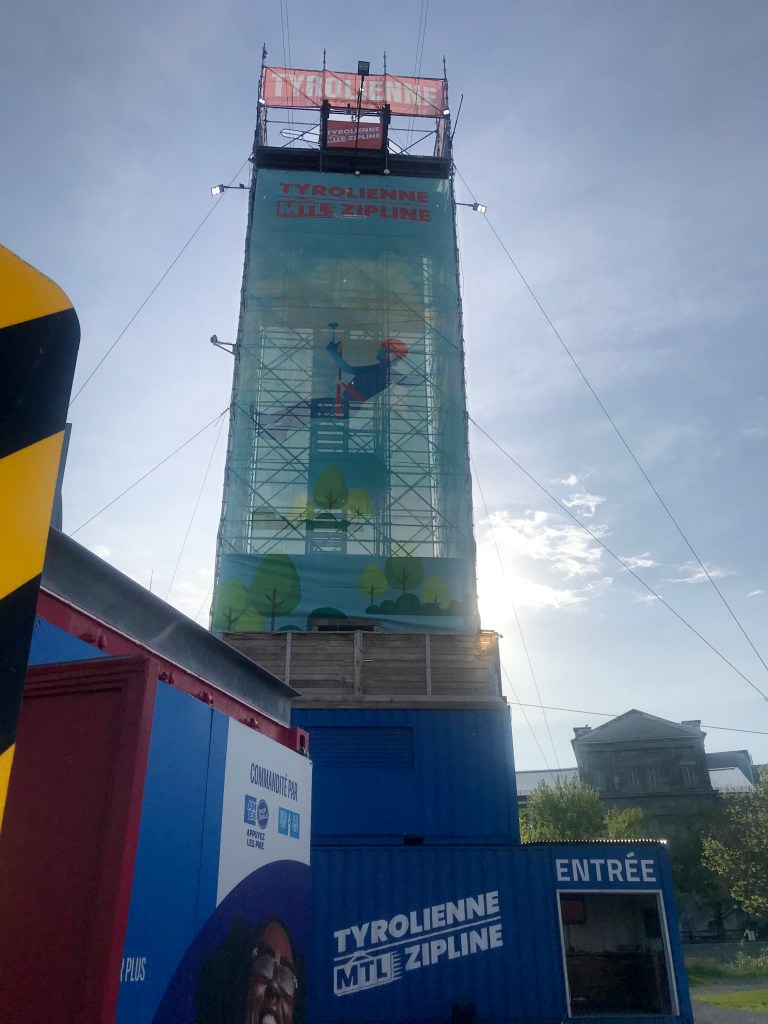
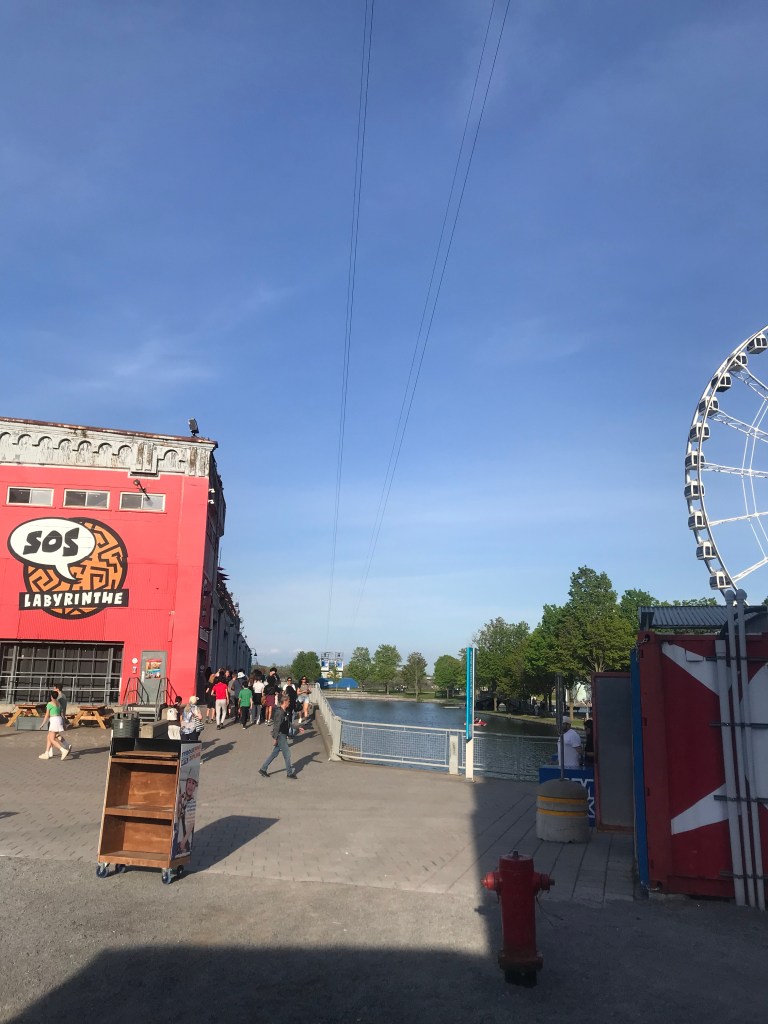
Yes, where you travel from a high tower hanging on a zipline to the other end. At the starting tower, the assistant put the harness on me. I then walked up several flights of stairs to the top of the start tower, high above the Old Port. “Hold onto the handles, keep your legs crossed”—and away I went, tearing along a thin cable, flying over everyone, to the end tower. If I’m going to miss out on Rutherford, I might as well compensate in style.


Leave a Reply