May 9: Another long walk
Had some of the “continental breakfast” the motel provides (cereal, toast, juice), then began walking south towards Gander township on a cold, overcast morning.
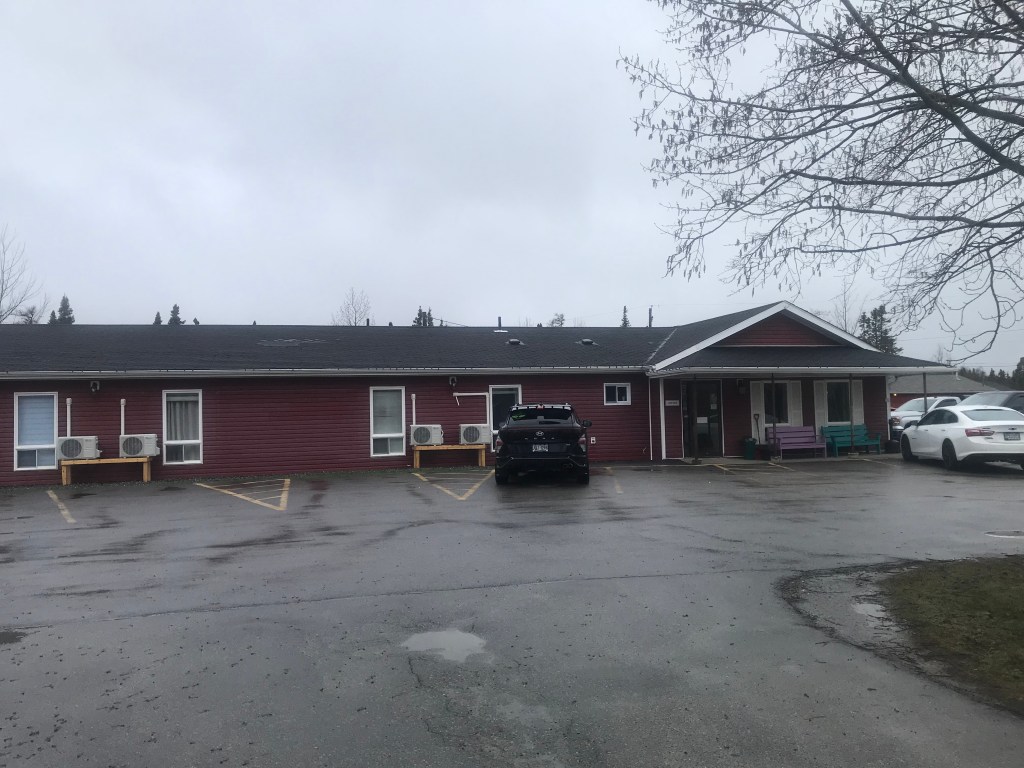
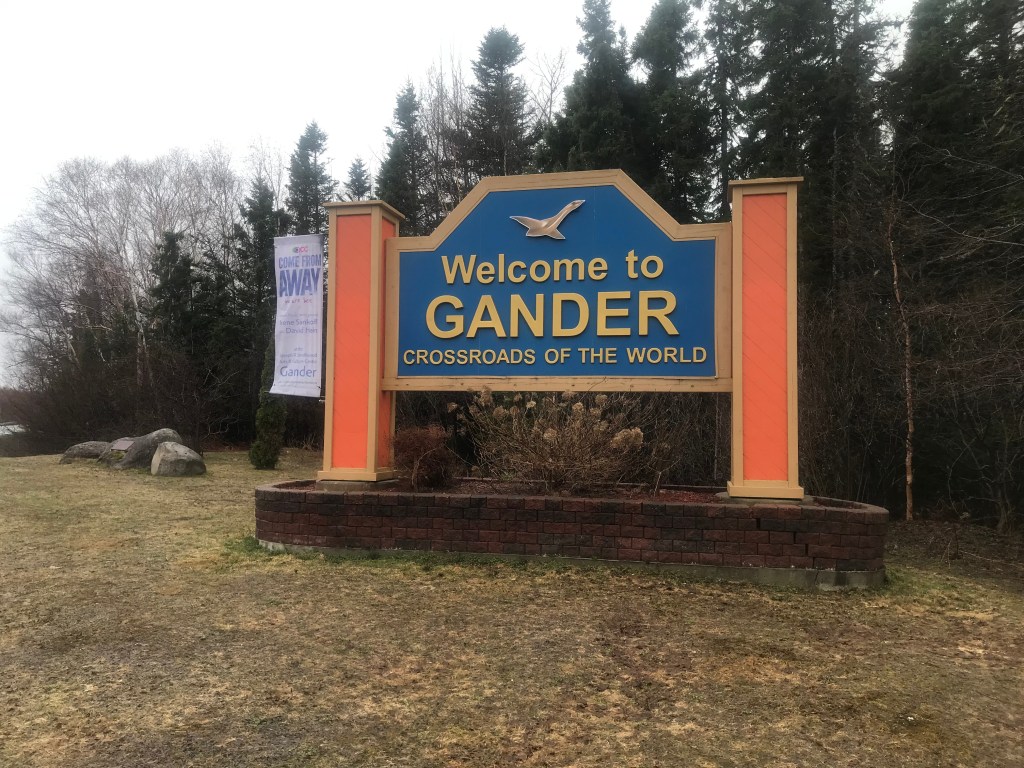
The motel is a few km north of the town, so it took me about 20 minutes before I reached its outskirts. Along the way, I noticed houses in the newer “suburbs”, all identical grey boxes; I pity their postie.
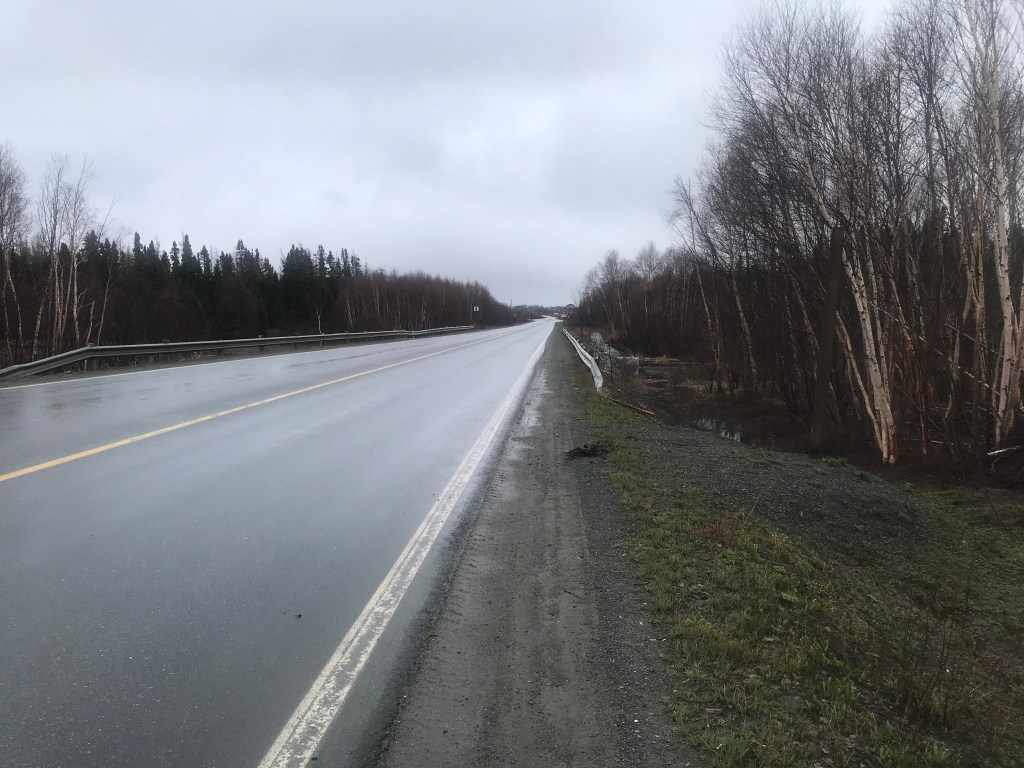
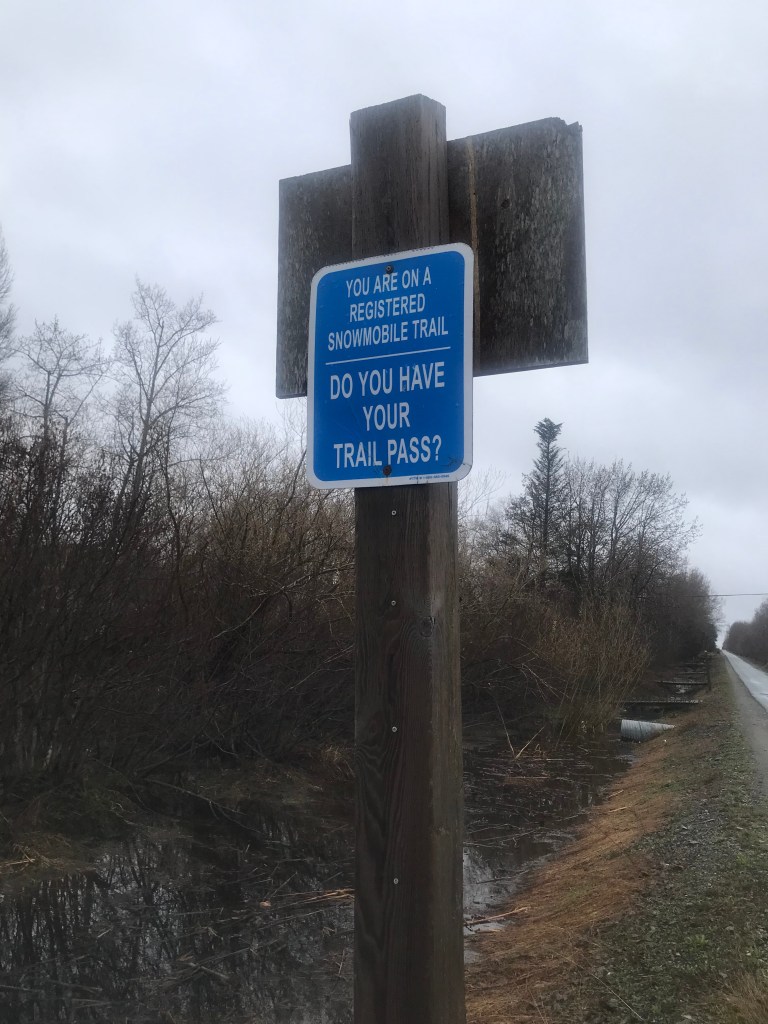
Once buildings began to become more frequent, I diverted onto a path through a forest park. There were a few tracks leading off into the forest, but after last night’s rain they looked boggy and puddly, so I stayed off them. It also wasn’t always clear where a forest track ended and someone’s back yard began.
From the path, I wandered around the suburbs for a while. The houses were now in a greater variety of style and colours, but most shared one feature: their front door was elevated, and they had a basement level with windows at lawn level.
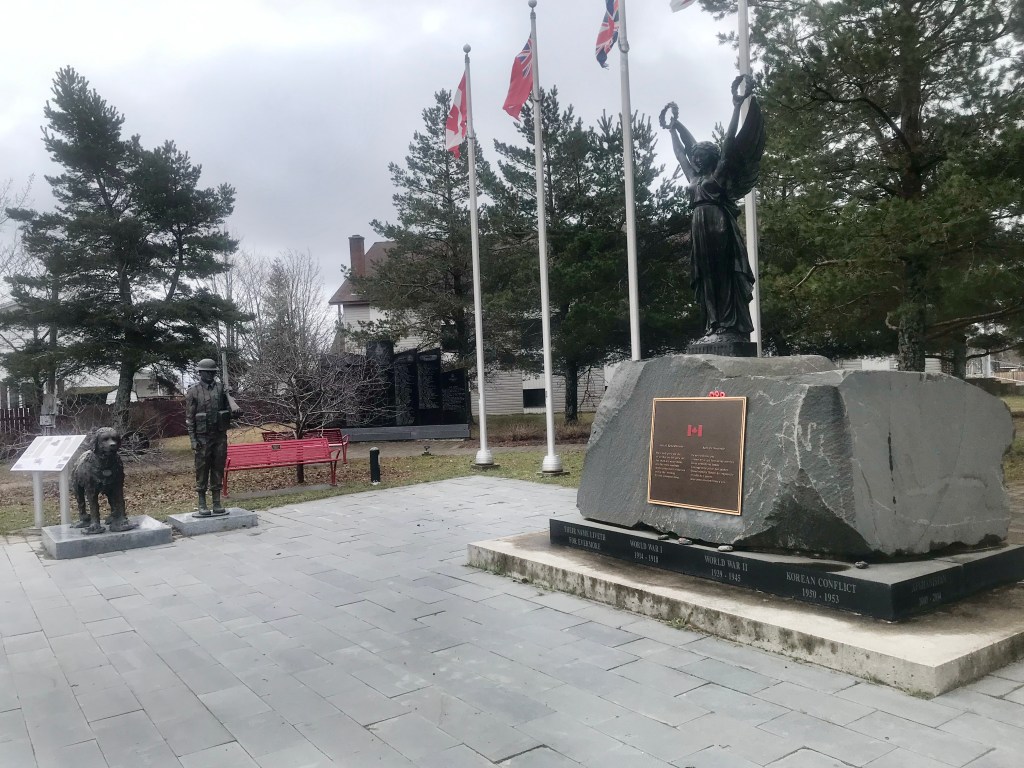
Heading into the town centre, I came across the War Memorial. Among those remembered was a dog named Pal. In 1940, Pal had become too large and boisterous for his original family, so he was adopted by The Royal Rifles of Canada, who renamed him Sgt. Gander. In 1941, the Royal Rifles took part in the Battle of Hong Kong. A grenade landed near their position. Sgt. Gander grabbed the grenade in his mouth and ran towards the Japanese soldiers, blowing up himself and a few of them. Sgt. Gander was awarded a medal for bravery and is listed with the fallen.
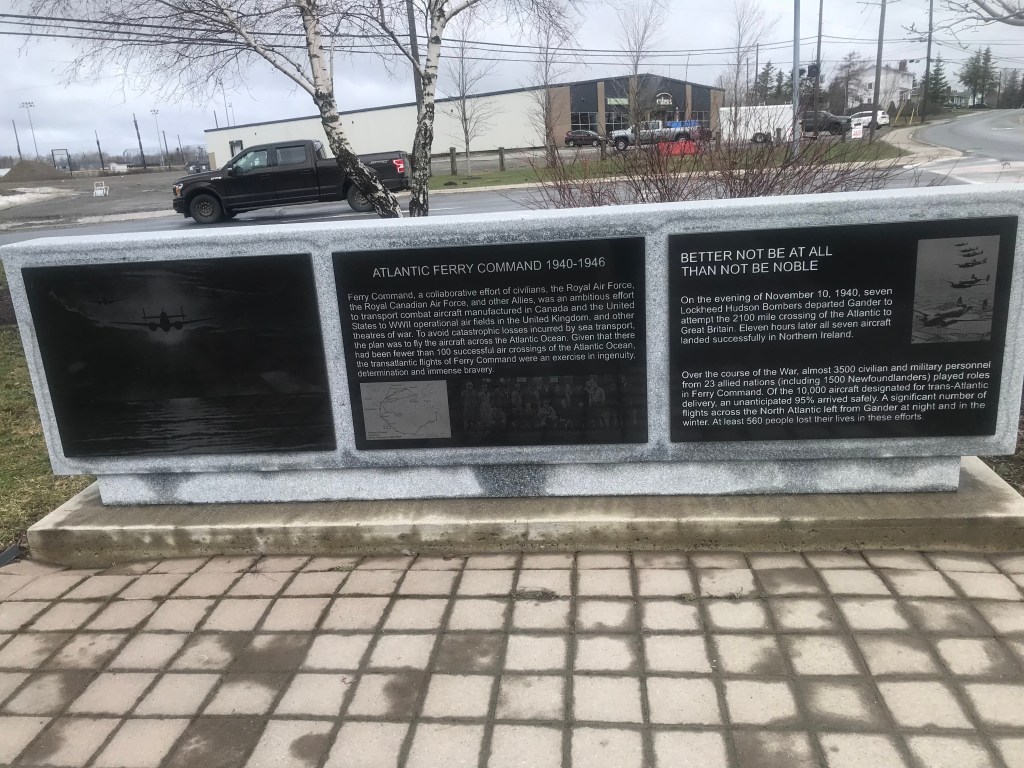
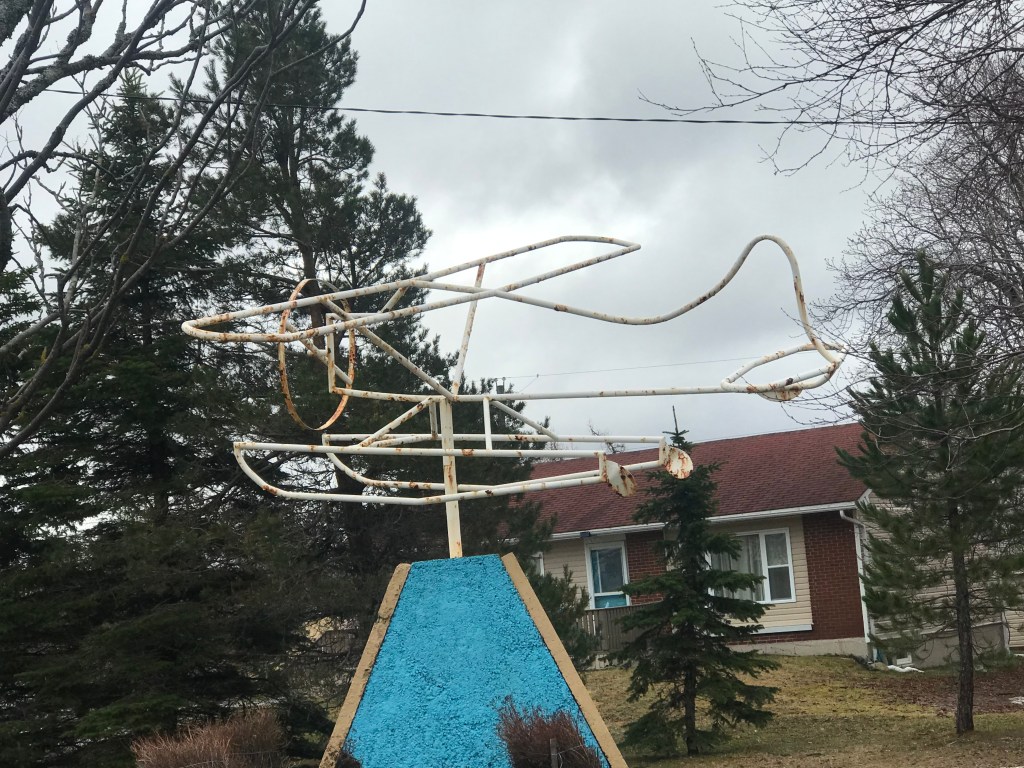
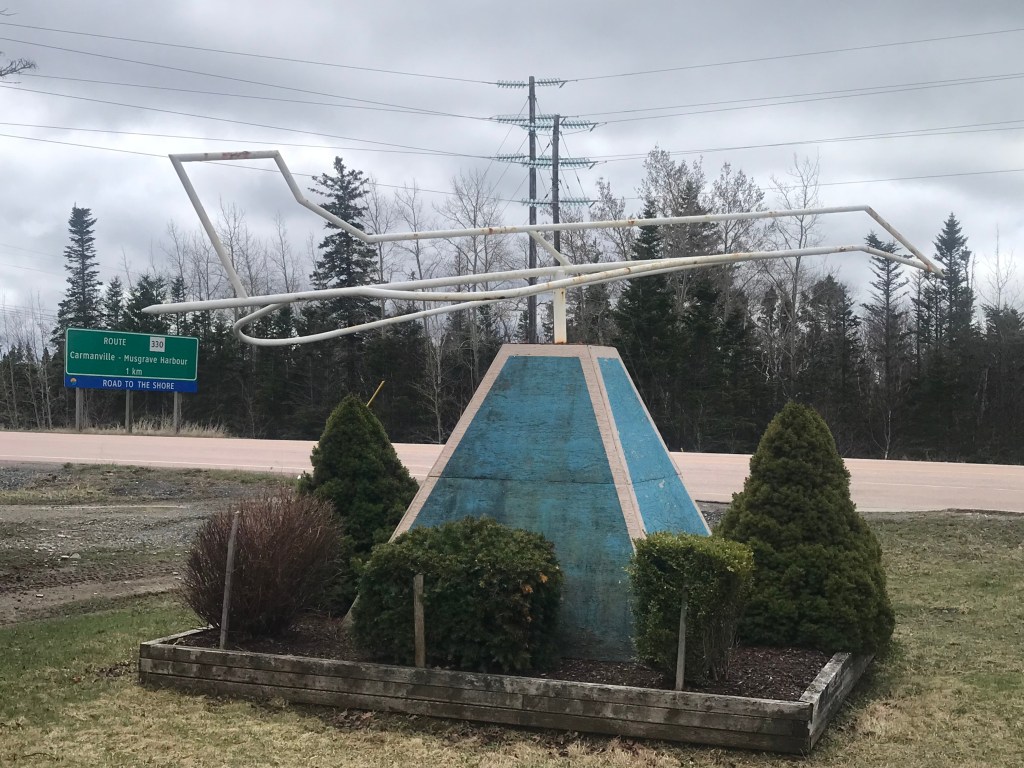
Other sights around the town related to its aviation history.
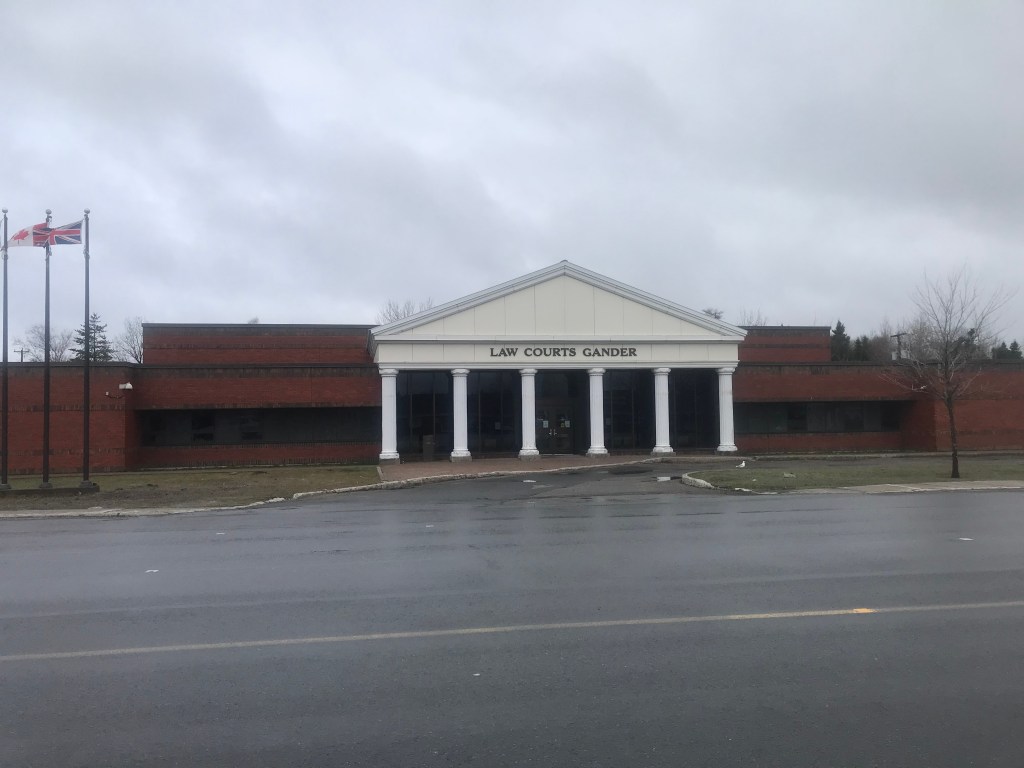


After a coffee, I went to a Dollar Store at a local mall to get a necessary travel item—a portable umbrella. Some parts of the roads around Gander are rugged or pot-holed, but, given how cold and wet it often is here, I’m not surprised.


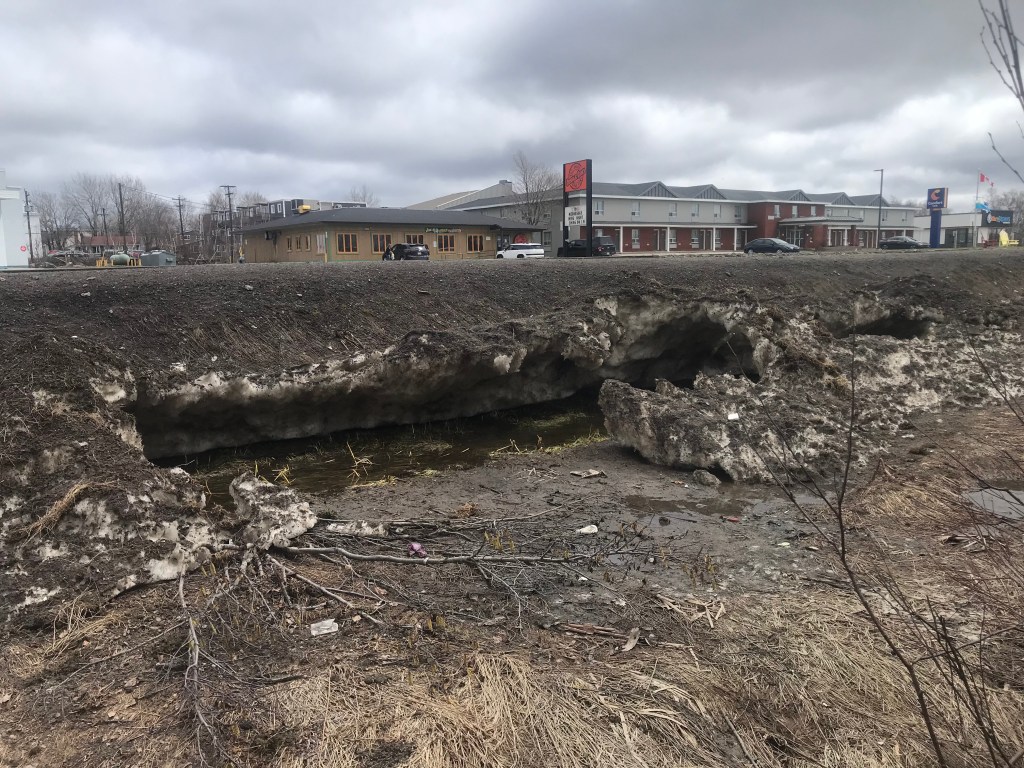
The taxi driver who took me to the Country Inn yesterday said that they’d had a hard winter, and, here and there, I could see a few patches of snow yet to melt.
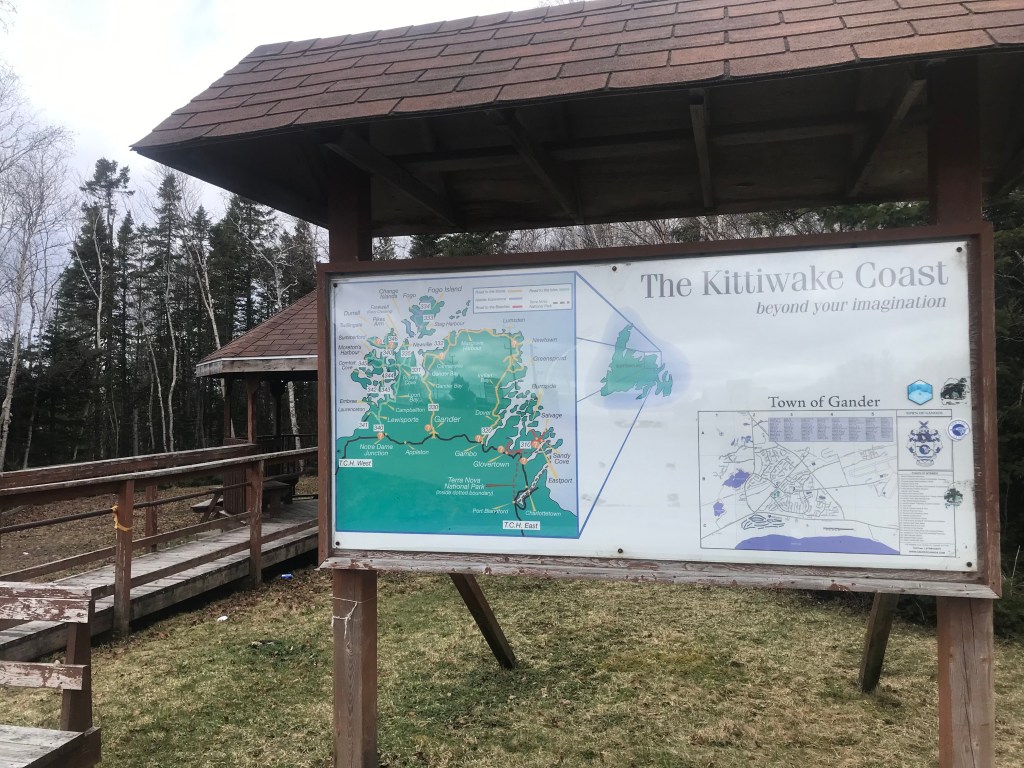
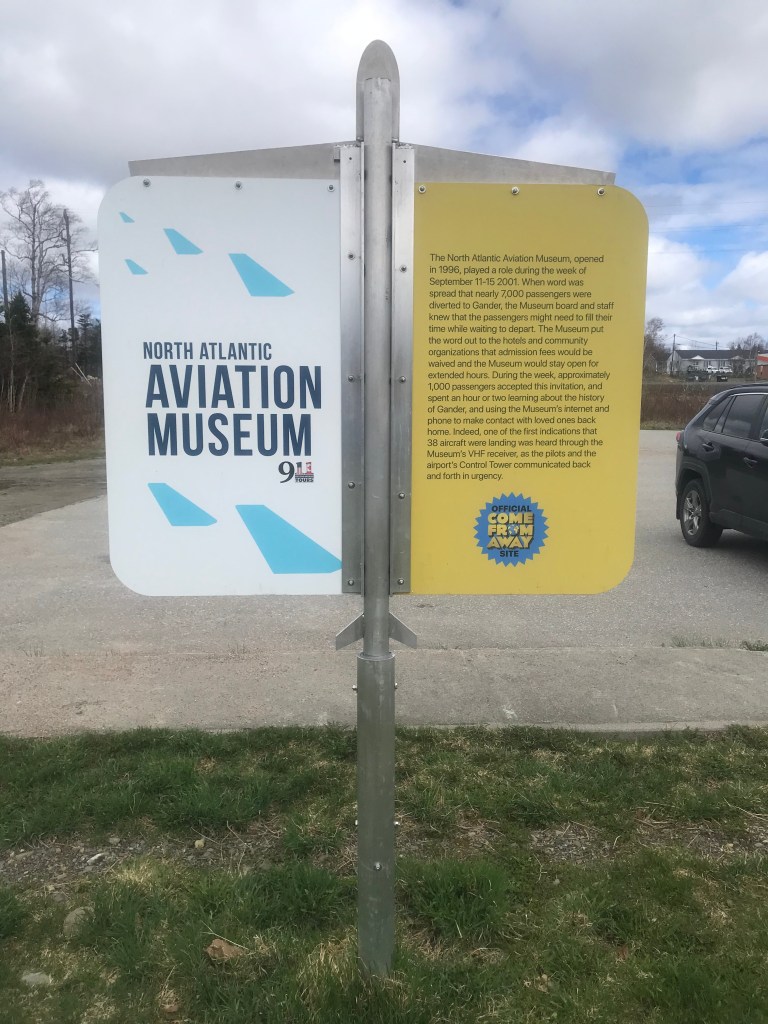
The North Atlantic Aviation Museum
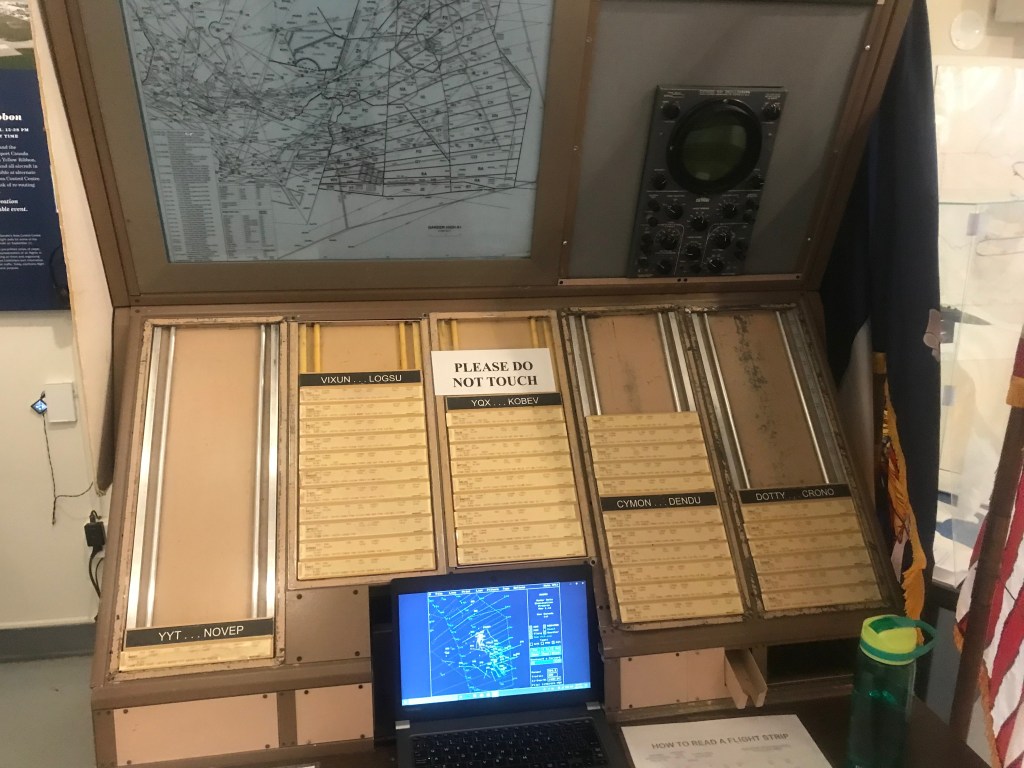
One attraction I had to see was the North Atlantic Aviation Museum, detailing Gander’s history in aviation.
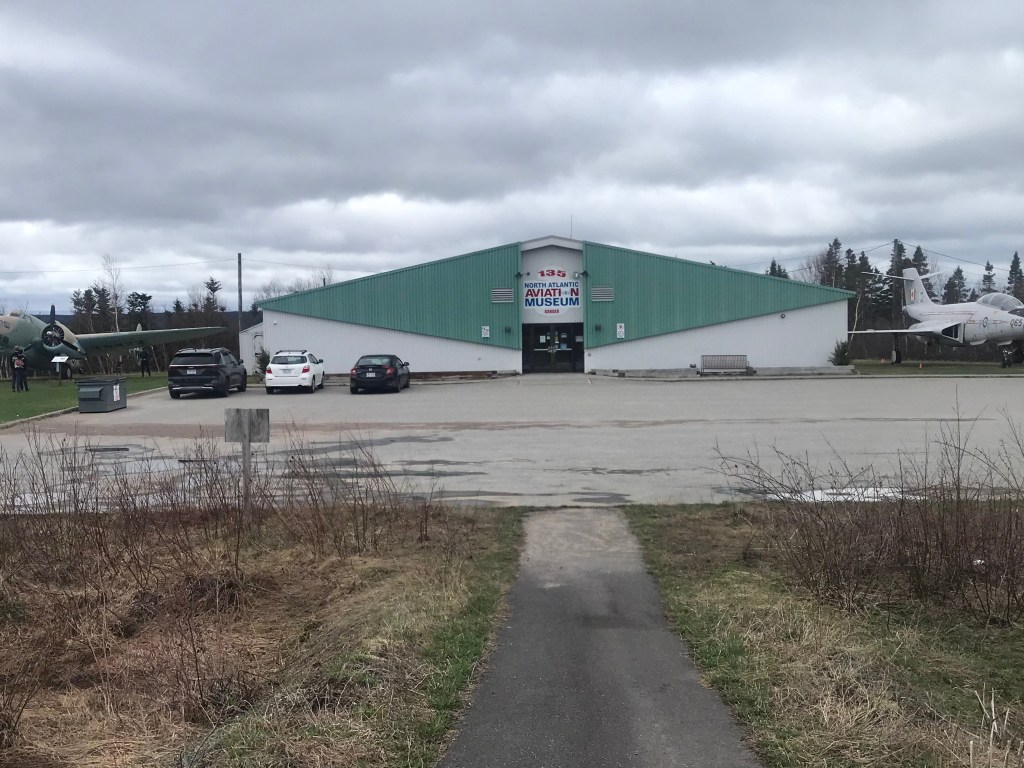
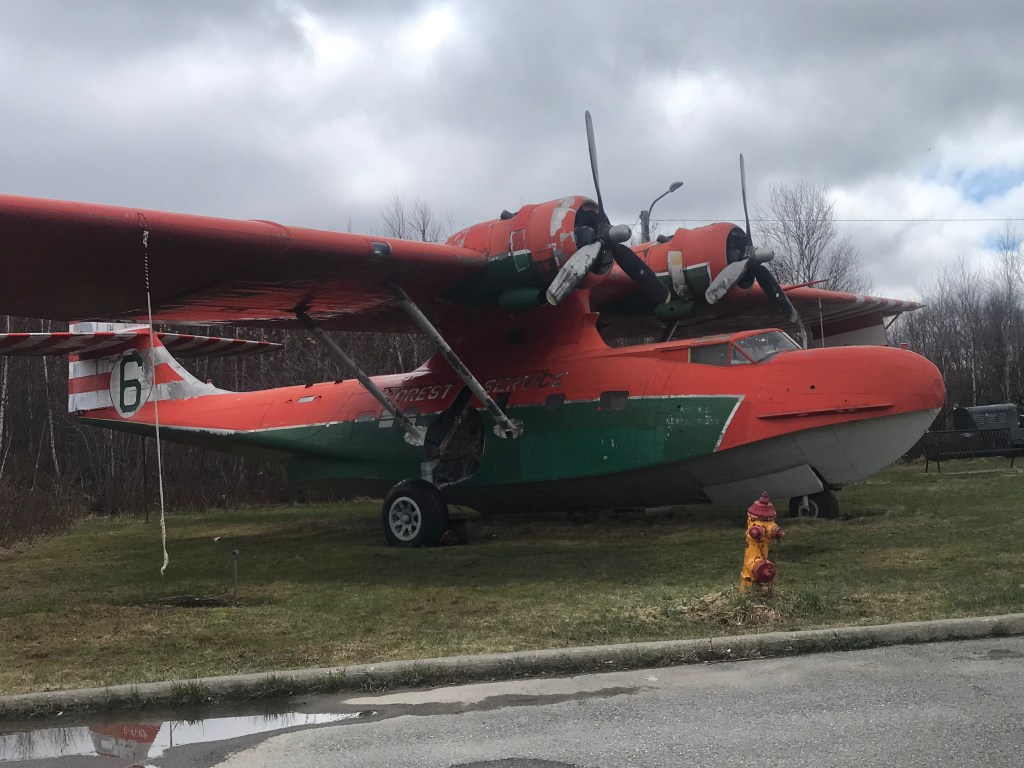
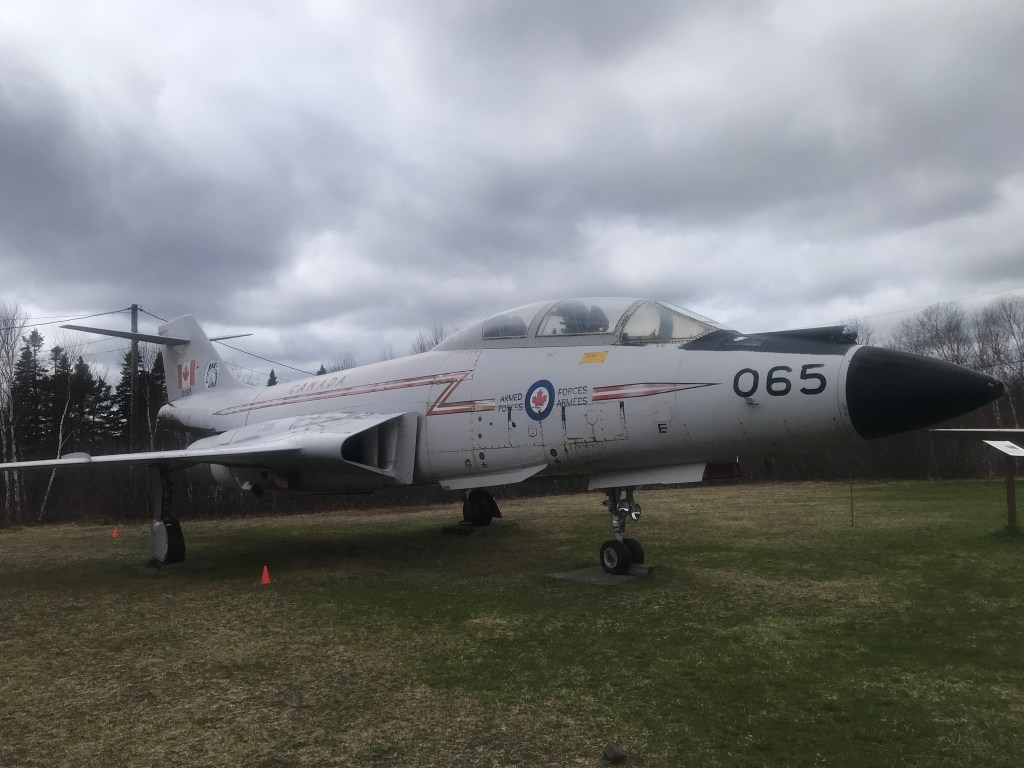
Gander was originally chosen for its proximity to the Atlantic and its flatness. During WWII, it was a major airfield for the Allies’ North Atlantic operations.
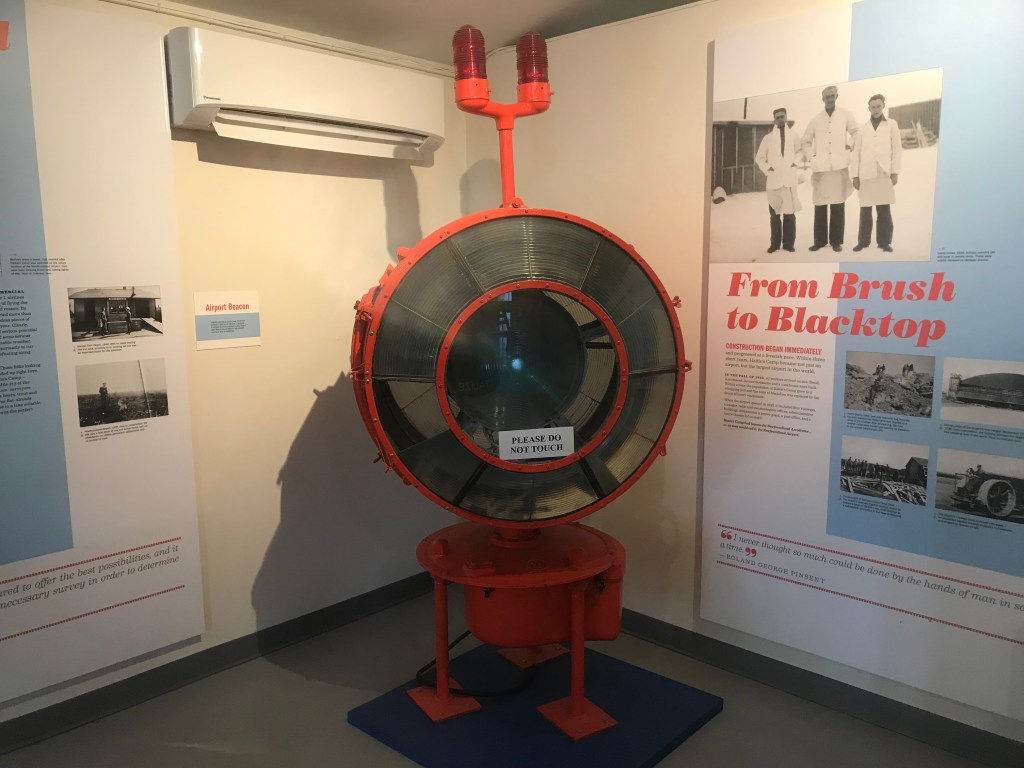
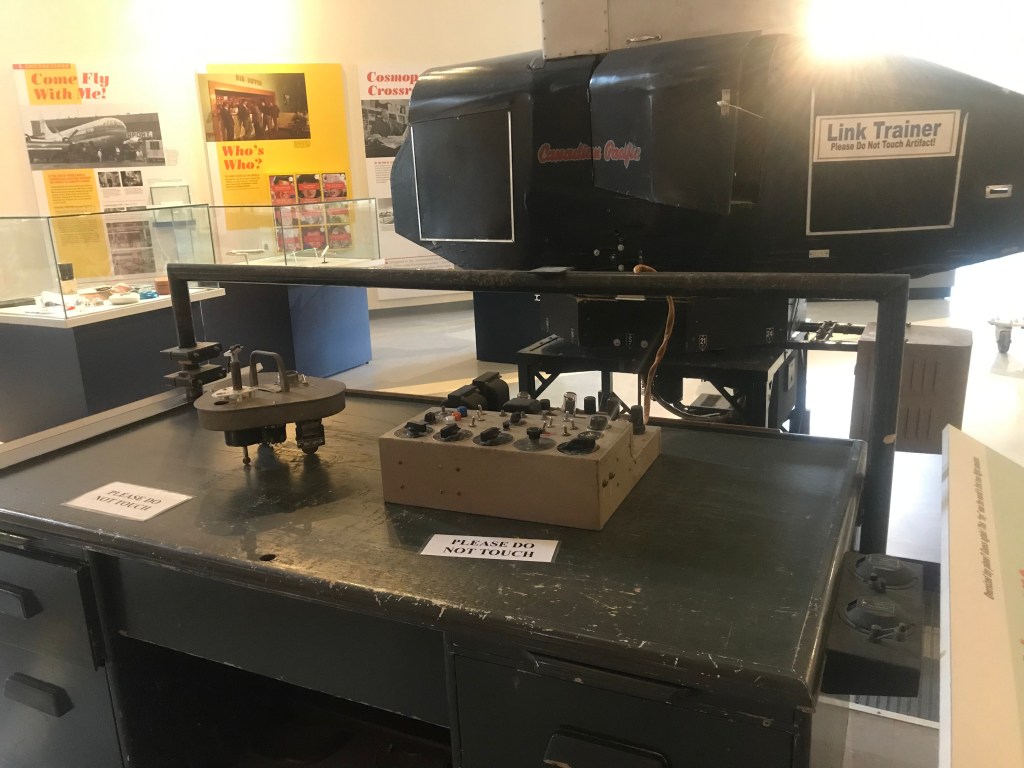
After the war, Gander Airport retained a military presence during The Cold War, but it became more important for international air travel, as its position made it a major trans-Atlantic refueling stop. Even Eastern Bloc countries had Gander International on their routes—which made it an excellent place to defect.
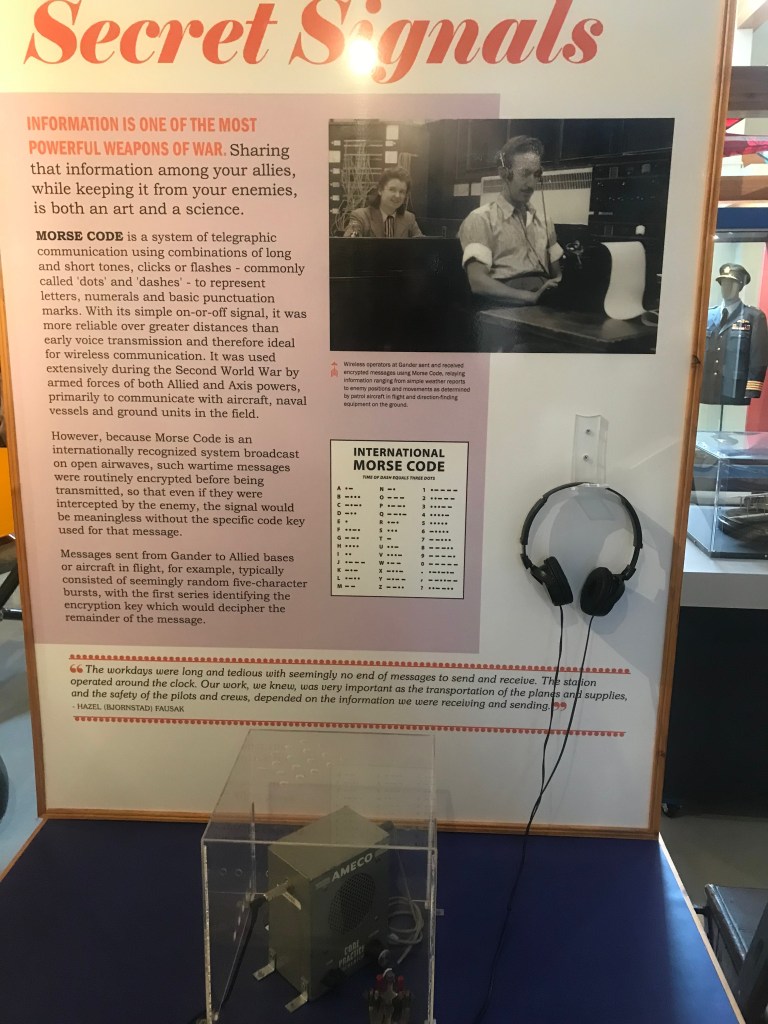
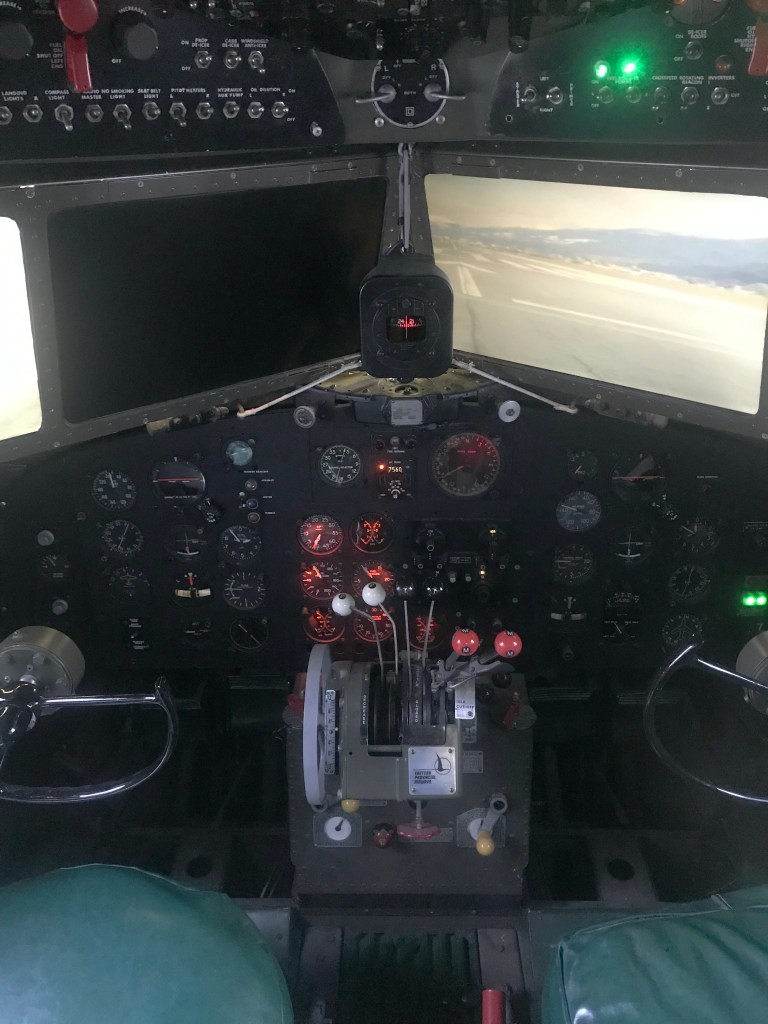
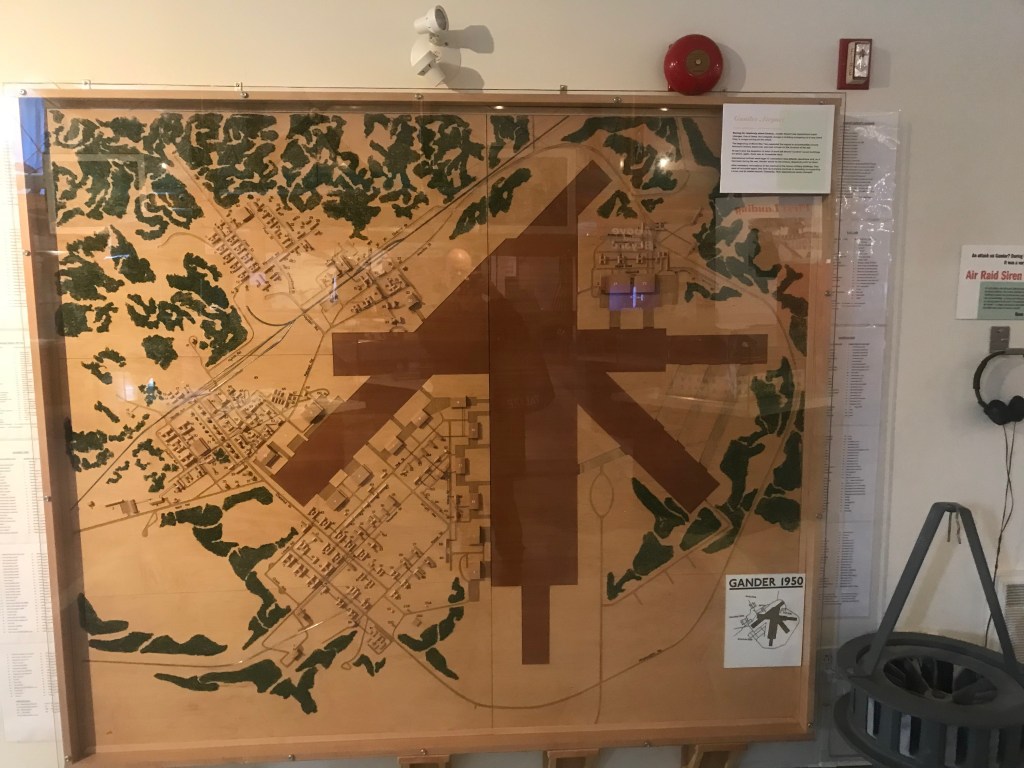
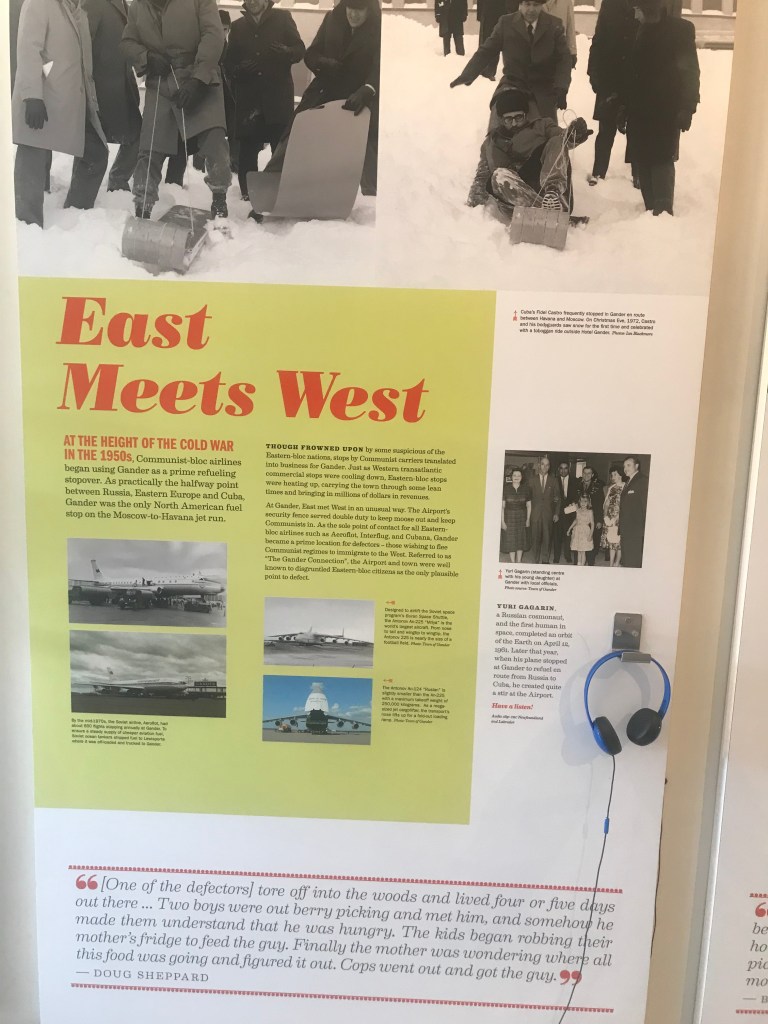
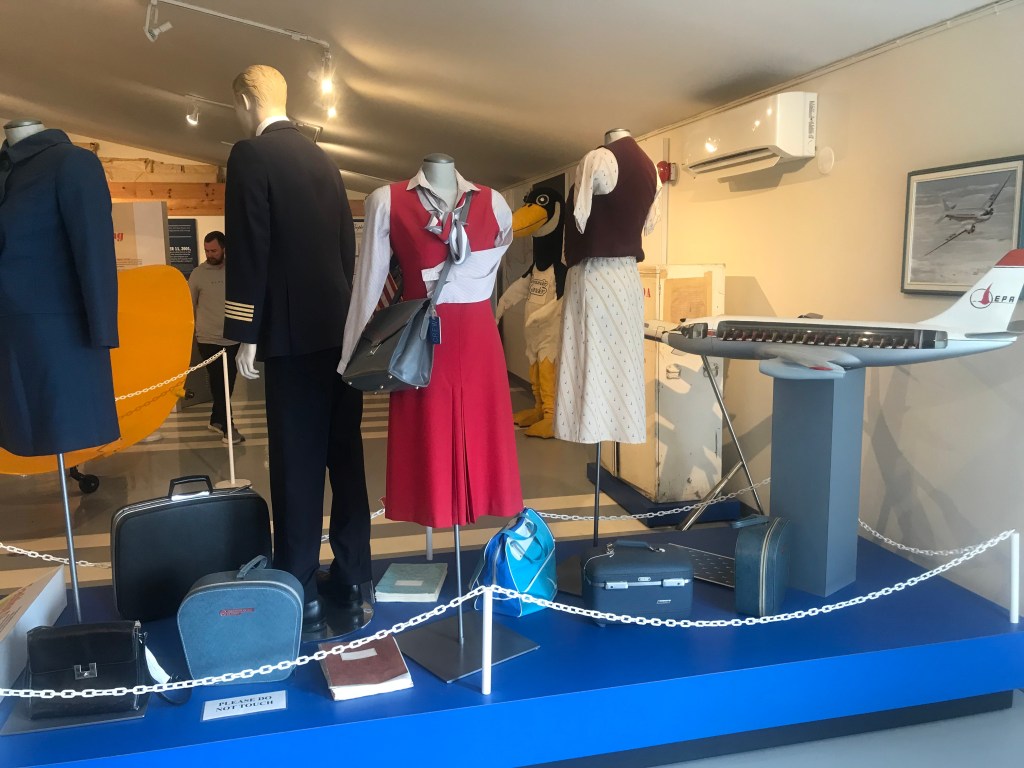
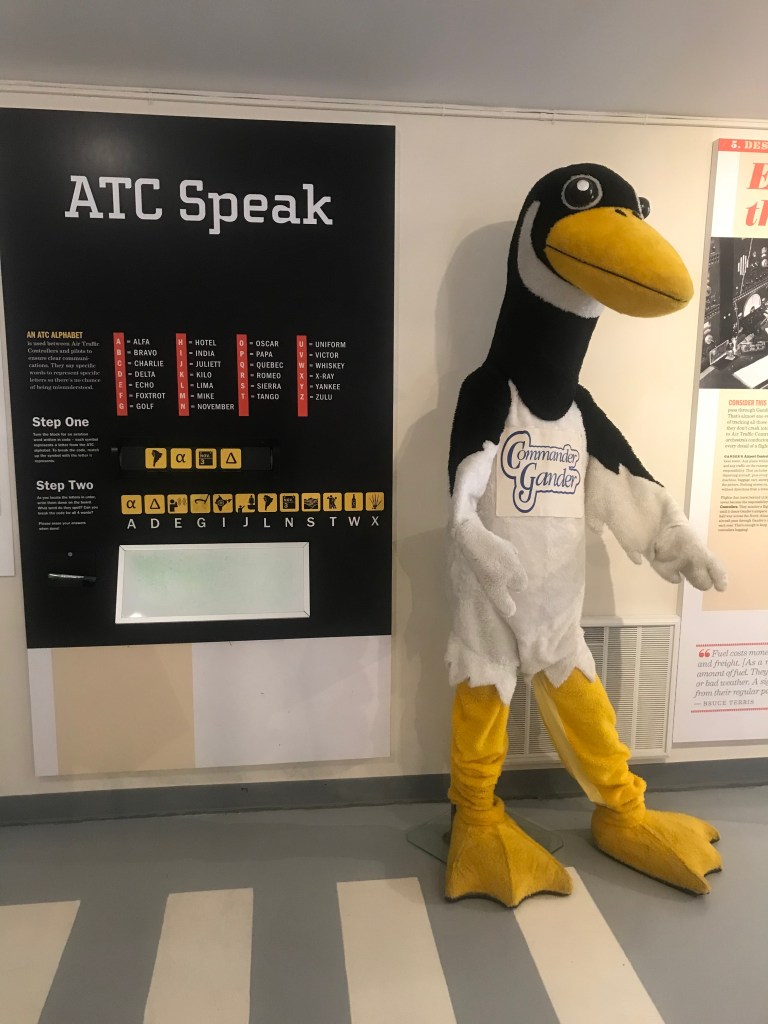
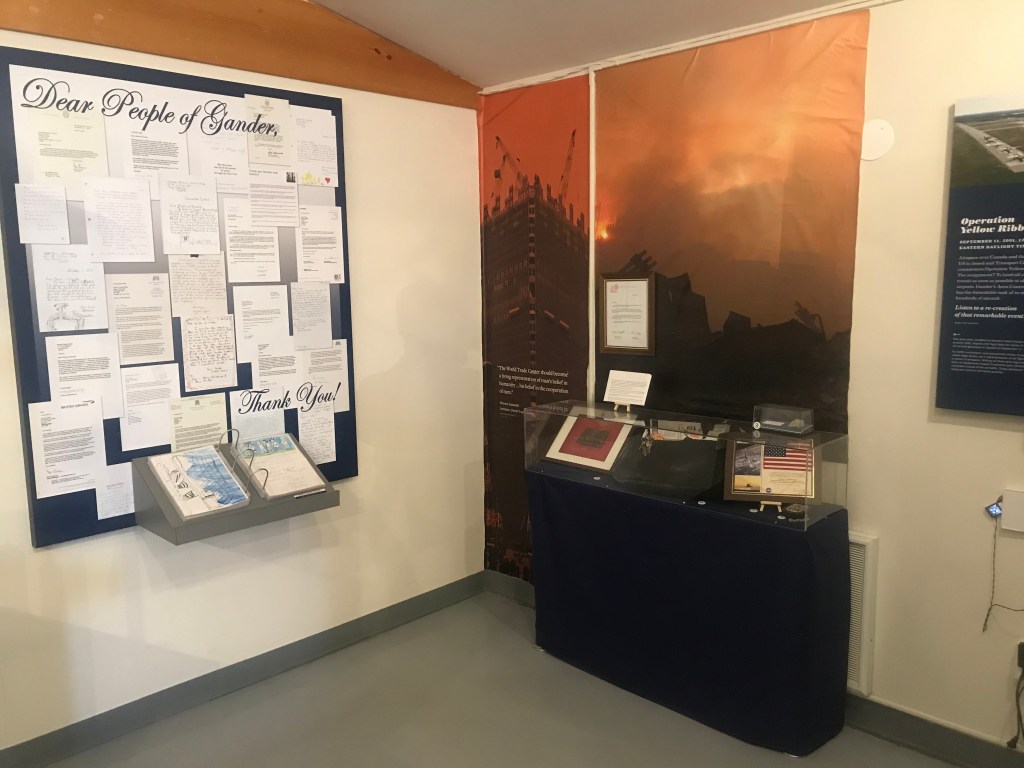
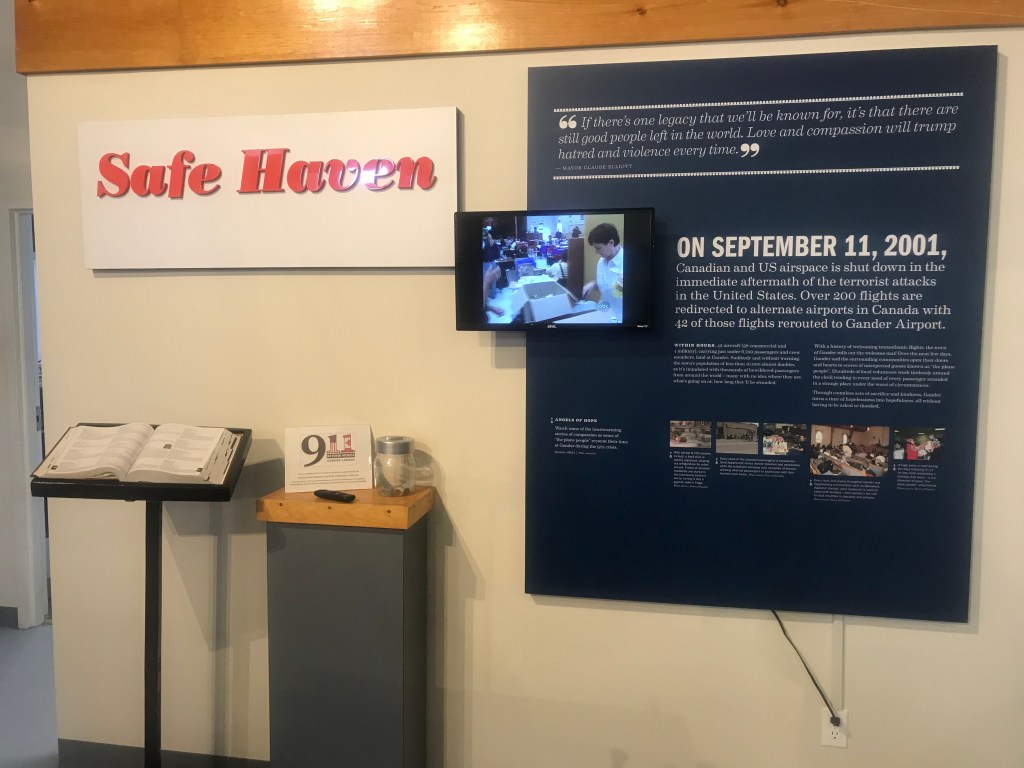
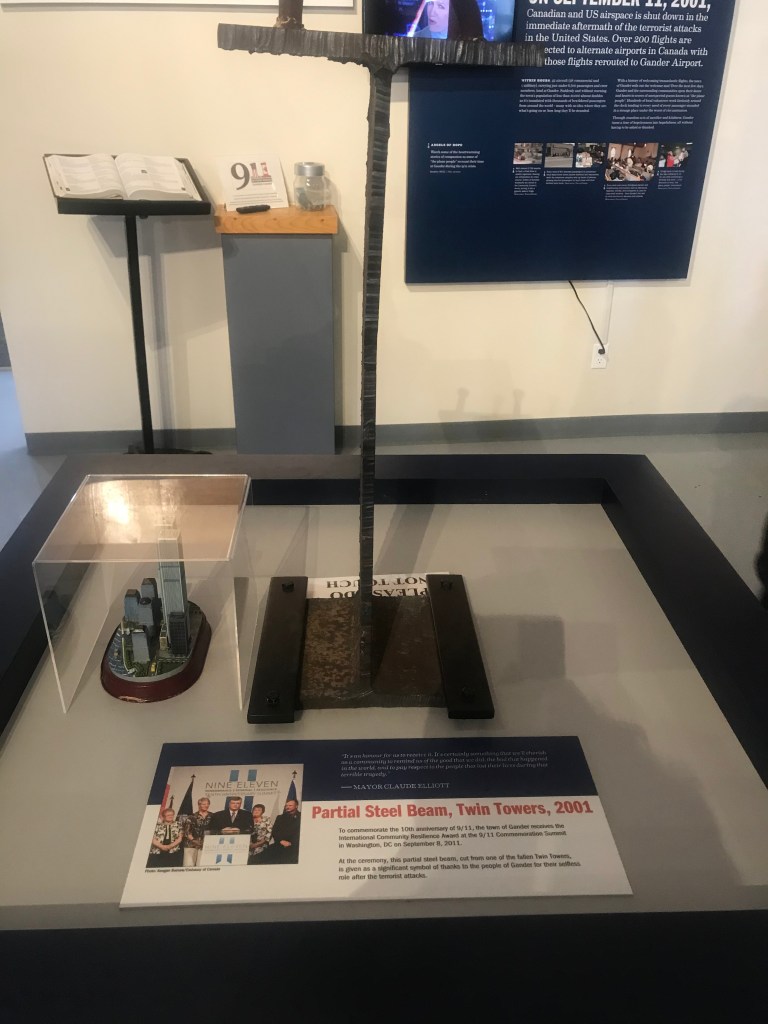
Naturally, the museum has exhibits about Operation Yellow Ribbon, when passenger planes were diverted there on September 11, 2001.
Another long walk
After a lovely nacho lunch at nearby Jungle Jim’s Bar & Eatery, I set off down Highway 1 towards the Silent Witness Memorial, a park memorial to the 256 people killed in the Arrow Air Crash of 1985. However, after walking for a long time and checking my position, I realised it was further away than I’d originally reckoned. I decided to cut my losses and walk back to town.
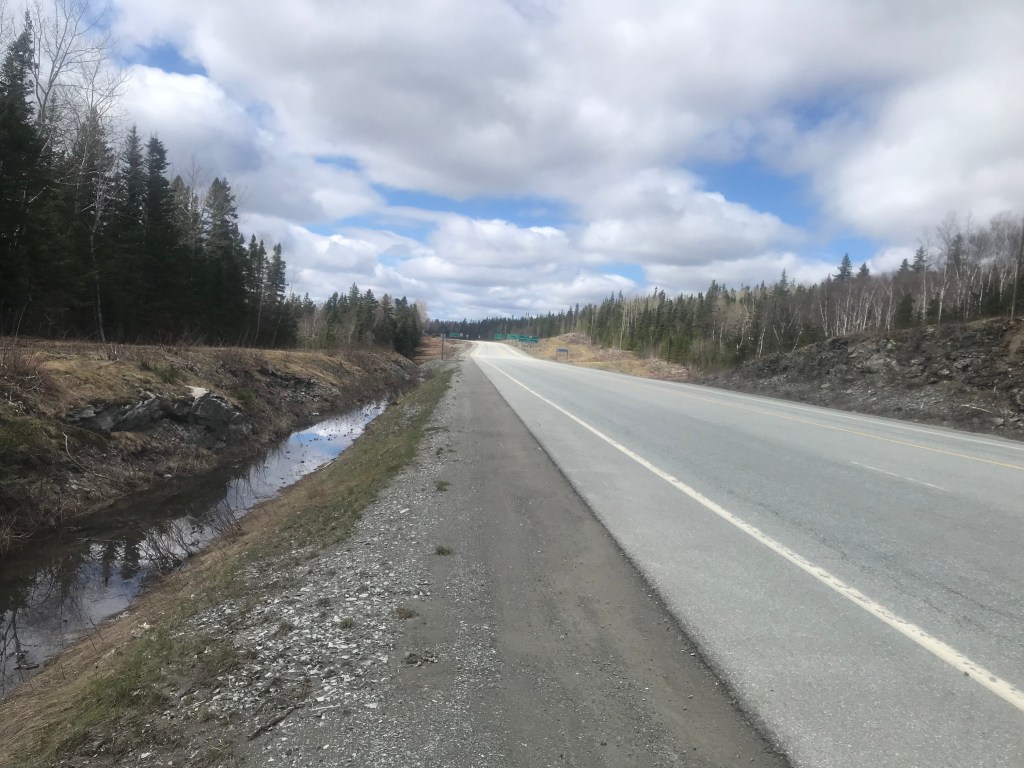
Another coffee, then the long walk back to the Country Inn. You may think all this walking gratuitous, but throughout the day I saw no buses in Gander, or bus stops. On the road back to the motel, I saw a man trying to hitch a lift; the lack of luggage suggested he was a local.
In the lobby of the motel, there’s a book about unusual sights around Newfoundland and Labrador, including abandoned mines, forgotten villages and ruins of Cold War air bases. Looks like that would be an interesting holiday in itself—if you’ve got your own transport.


 Way Up North
Leave a comment